

Picture transforming your living room into the perfect entertainment hub, in which you can experience movies, sports, and gaming with friends in the safety of your personal home. Installing a home cinema can boost your viewing experience to new heights, but it can also be a challenging task if you don’t know which to start. This guide is created to offer you with everything you need to know about home cinema installation, from designing the optimal space to selecting the right equipment and avoiding frequent pitfalls.
If you are considering a professional installation or doing the project yourself, there are multiple factors to factor in. What should you expect during the installation process? Should you employ an expert or take the DIY route? We will explore these questions and more, making sure that you have a comprehensive understanding of how to design a spectacular home cinema that fits your needs and style. Regardless of your preferences, this guide will help you pilot the exciting journey of converting your living room into a cinematic paradise.
Home Cinema Installation Options
When considering installing a home cinema, there are various main approaches: DIY and hiring a professional. DIY installations can be attractive for those who enjoy hands-on work and want to reduce expenses. With the wealth of online materials, tutorials, and forums available, it's achievable to establish a basic home cinema system without in-depth technical knowledge. However, this approach requires substantial time, patience, and careful planning to avoid common pitfalls.
Alternatively, using professional services can offer a variety of perks that make the cost justifiable. Professionals bring specialized skills, ensuring that every aspect of the installation, from sound configurations to wire management, is carried out without a hitch. They can also help in crafting a system that fits the specific dimensions and audio properties of your room, delivering a better viewing and listening experience. This option is notably beneficial for complicated installations or for individuals who favor a ready-to-use solution.
Regardless of path you decide on, it's essential to consider your specific needs and preferences. When setting up your home cinema, take into account factors such as the dimensions of the room, goal—be it for movies, gaming, or sports—and your financial plan. Finding a balance between your desire for a tailored setup with the potential benefits of professional input can lead to an perfect outcome for your home cinema experience.
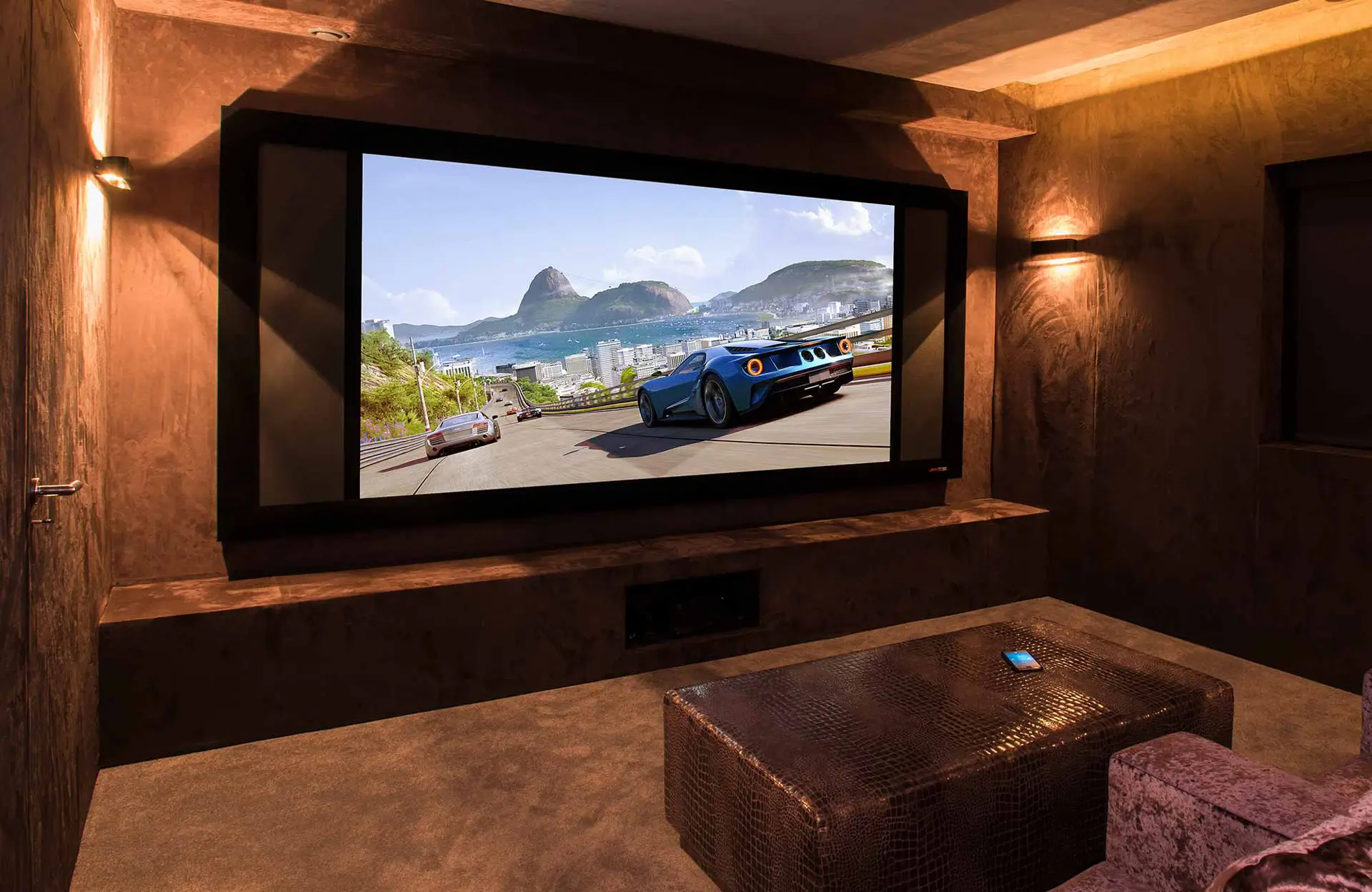
Designing Your Personal Theater Space
Establishing an optimal home cinema space begins with picking the appropriate room. Consider Home Cinema Installation Abbots Langley Hertfordshire as space, shape, and current features. A designated space, like a lower level or an unused guest room, commonly offers the best environment due to its tendency to reduce distractions and manage ambient light. An excellent room typically has a oblong shape, as it permits for improved sound distribution and viewing angles. Consider the layout should accommodate both seating and equipment arrangements well.
Once the room is chosen, concentrate on the layout and seating configuration. A tiered seating arrangement can boost the viewing experience by ensuring everyone has a unobstructed view of the screen. A good rule of thumb is to place seats at roughly one and a half to two times the screen size for an immersive viewing experience. Ensure plenty of space for premium audio equipment, as sound quality holds a vital role in the complete cinema experience. Moreover, include comfortable seating options that provide support during long viewing sessions.
Ultimately, attention to detail in illumination and decor can substantially enhance your home cinema experience. Utilizing blackout curtains can get rid of unwanted light while creating a dark, immersive atmosphere. Combined lighting, including variable lights and sconces, facilitates for versatility in mood setting. Consider acoustic enhancements, such as wall panels or carpets, to boost sound quality and reduce echoes. By considerately designing your home cinema space, you can create an environment that brings the magic of the movies right into your home.
Configuration Tips and Considerations
When embarking on your home cinema installation, it’s crucial to consider the layout of the space. Placing the screen at the right height and spacing is essential for best sight. Usually, the screen should be at a comfortable height when sitting, and the gap between the viewer and the screen can differ based on its size. Aim for a sight distance that is between 1.5x and 2.5x the lengthwise size of the screen for an engaging experience. Moreover, ensure that chairs is organized to avoid strained angles and that all viewers has a direct line of sight to the screen.
Sound treatments can considerably boost your home cinema experience, so don’t dismiss sound quality. Consider adding carpets, curtains, and specific acoustic panels to help muffle sound and cut down on echo. This is especially important in larger spaces where sound can bounce off hard surfaces. When it comes to audio setup, investing in quality speakers and properly positioning them in relation to your seating can create a world difference. Aim for a surround sound setup that suits your viewing habits, whether it’s a movie experience or video gaming.
Finally, don’t forget about the implementation of advanced technology in your home cinema setup. Consider investing in smart home devices that can control the lighting, temperature, and audio-visual components seamlessly. This integration will provide not just ease but also boost your overall viewing experience. Be sure to plan the installation with subsequent upgrades in mind, allowing space for extra components or technology as needed. Strategic planning and thoughtful execution will lead to a home cinema installation that not just meets your present needs but is modifiable for the future.