

In every bustling metropolis, soaring skyscrapers and vast bridges shape the cityscape and the lives of its residents. Yet, the true artistry behind these majestic structures lies in the often-unseen discipline of structural engineering. While structural engineering Surrey envision the aesthetic appeal of buildings and civil engineers handle the broader infrastructural elements, it is structural engineers who ensure that these designs stand the test of time and nature. They are the quiet guardians of safety and durability, painstakingly calculating forces and stresses, selecting materials, and navigating complex design challenges.
The following article explores the significant impact of structural engineering on urban development, revealing the ways in which it not only supports our physical environment but also improves our quality of life. From the fundamentals of what this field entails to the cutting-edge trends shaping its future, we will delve into the critical role structural engineers play in constructing safe, sustainable, and stunning structures. Join us as we uncover the unseen backbone that underpins our cities, spotlighting notable achievements and analyzing the essential qualities that define great structural engineers.
Understanding Framework Design
Structural engineering is a specialized branch within engineering design focused on designing and analyzing structures to withstand various stresses and loads. From tall buildings to bridges, framework designers verify that these constructions not only withstand the trial of years but also maintain security for their occupants. A robust knowledge of physical principles, materials science, and calculus is vital for experts in this area, as they must anticipate how multiple substances will react to different conditions.
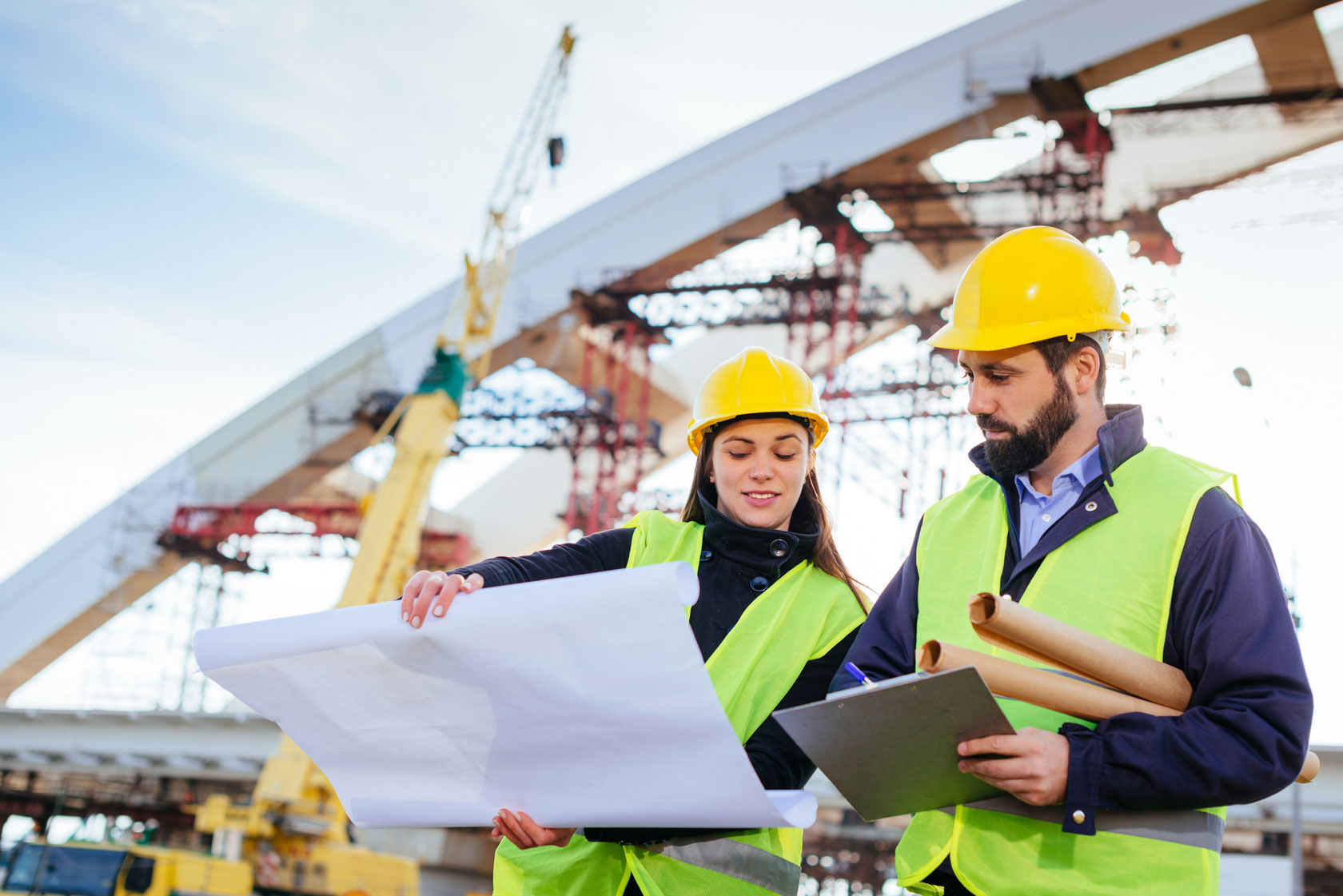
In modern building, the role of building designers goes beyond just calculations and drawings. They partner with architects to verify that aesthetic aspects do not compromise building integrity. This partnership is critical, as it blends new design with real-world design solutions. Whether it’s a home home or a big infrastructure task, structural engineers play an important role in bringing concepts to fruition while following protection guidelines and rules.
Moreover, the evolution of framework design has seen the incorporation of technology and eco-friendliness into its approaches. With progress in software tools and simulation methodologies, engineers are well-prepared to illustrate and assess their projects. Moreover, the drive for green building practices has led to a higher emphasis on eco-friendliness, ensuring that buildings are not only secure and functional but also responsibly friendly. As metropolises continue to grow and progress, the significance of framework design in contouring our built setting cannot be overstated.
Main Breakthroughs and Developments
The domain of structural engineering is witnessing transformative advancements propelled by advancements in innovation and a growing focus on environmental responsibility. One of the most significant trends is the use of three-dimensional modeling and Building Information Modeling, which enables engineers to create comprehensive digital representations of structures. This method enhances collaboration among team members, improves the design process, and identifies potential issues before implementation begins, ultimately leading to more efficient and cost-effective projects.
Additionally, another emerging development is the inclusion of eco-friendly materials and methods into structural engineering. Engineers are increasingly focusing on sustainable construction techniques, utilizing materials such as upcycled steel and engineered wood products that reduce eco-footprint. The demand for energy conservation and lower carbon footprints is affecting the design of both recent constructions and refurbishments, ensuring that structural engineering plays a beneficial role in city environments.
Advancements in materials science are also reshaping the future landscape of architectural engineering. The advancement of high-performance concrete, intelligent materials, and advances in composite structures allow engineers to design buildings and bridges that are not only stronger but also more flexible to environmental conditions. These breakthroughs contribute to the creation of strong infrastructure capable of endure natural disasters, reflecting a preventive approach to protection and sustainability in urban development.
The Importance of Structural Engineers in Society
Structural engineers play a vital role in the development and security of our man-made landscape. They are responsible for creating structures, overpasses, and additional frameworks to ensure they can endure various forces and loads. This includes factors such as the force of gravity, air pressure, and seismic activity. By applying theories of physics and engineering materials, structural engineers ensure that frameworks not only meet aesthetic and functional needs but also adhere to safety standards and guidelines. Their skills helps prevent severe breakdowns and ensures the longevity of essential infrastructures.
In urban settings, building engineers contribute substantially to the general efficiency and combination of multiple networks within a town. They partner with designers and construction teams during the development and construction phases, ensuring that all components work in unison. This cooperation is crucial in creating spaces that are not only aesthetically pleasing but also functional for everyday use, including dwellings, business premises, and community structures. Through their work, structural engineers enhance the well-being for residents by providing secure and effective spaces for inhabiting, working, and leisure.
Furthermore, the role of building engineers extends beyond mere construction. They are important contributors in crisis management and building restoration, helping communities restore after natural disasters and improve their capacity against upcoming challenges. By utilizing innovative solutions and eco-friendly methods, structural engineers are shaping the future of cityscapes. Their commitment to safety, effectiveness, and environmental concern makes them an invisible backbone of society, ensuring that urban areas can support both current and future generations.