

Since urban landscape keeps to evolve, whether property owners and property developers are progressively cognizant of the impact that light has on their buildings. Surveys on Right of Light have become as an critical tool in navigating the challenges of property construction and ensuring compliance with legal standards. With the potential for disputes cropping up from insufficient light, comprehending the subtleties of these surveys is essential for anyone involved in real estate, whether they are looking to build a new home, expand an existing one, or build out commercial properties.
In this comprehensive guide, we will explore what Right of Light Surveys entail, their relevance, and how they can help prevent financial legal challenges. By delving into multiple aspects such as the legal framework surrounding right of light, the function of professional consultants, and the perks of preliminary assessments, this article aims to equip readers with the understanding needed to approach property construction with confidence. Regardless of whether Right Of Light Surveys Herne Hill London are a veteran developer or a homeowner thinking about an extension, understanding your entitlements and duties regarding light access is essential in today’s increasingly competitive housing market.
Comprehending Right of Light Surveys
Light Right Surveys are crucial assessments performed to identify the quantity of natural light that illuminates a property, which can be impacted by surrounding structures. These surveys explore the entitlements of property owners regarding light access, founded in established laws that shield against obstruction. By evaluating angles of light and potential obstructions, these surveys help illustrate how changes in the environment, such as development projects or remodels, may affect light availability for adjacent properties.
The results of a Right of Light Survey are important for both homeowners and developers. For homeowners, it provides an understanding of their rights and potential light reduction threats, especially when neighboring constructions are anticipated. For developers, the surveys are important in preventing legal challenges and ensuring compliance with local regulations regarding light access. Neglecting to consider right of light issues can lead to major delays and costs, making these surveys a prudent step in the planning process.
Moreover, the use of advanced technology and precision surveying methods has boosted the effectiveness of Right of Light Surveys, allowing for more precise measurements and assessments. By employing advanced techniques, surveyors can deliver thorough reports that not only describe current light conditions but also forecast future impacts from new constructions. This key information aids decision-making for design and construction, ultimately safeguarding the interests of all parties concerned.
Effect on Property Development
Light access assessments play a crucial role in the planning and implementation of real estate initiatives. These surveys determine whether a new construction will hinder natural light to adjacent properties, which can create significant legal and financial concerns. Click here to find out more need to confirm compliance with right of light laws to avoid potential conflicts that could hinder their projects or lead to costly compensation claims. Grasping these implications early on can facilitate the planning process and enable smoother permissions.
Incorporating right of light surveys into the project plan helps detect potential issues that may arise during the building stage. By assessing light access at the initial design stage, project teams can make appropriate adjustments to their designs, thereby minimizing the risk of infringing on neighbors' rights. This anticipatory approach not only protects the developer's interests but also fosters good relationships with the adjacent community, vital for effective urban development.
Furthermore, the outcome of right of light surveys can significantly affect development proposals. Positive survey results can bolster a developer's case when requesting approval from local authorities, while negative findings might necessitate redesigns or additional mitigation measures. Understanding the potential effects early on empowers project teams to make educated decisions, ultimately resulting in better results and increased real estate worth.
Typical Issues and Solutions
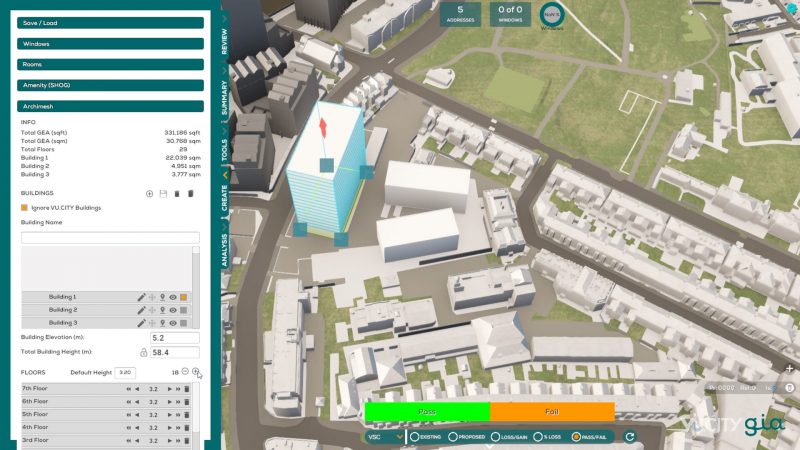
One frequent problem faced during light access surveys is the presence of barriers that may hinder light access. Structures, vegetation, or other structures can obstruct light, leading to potential disputes with neighboring properties. To tackle this, thorough preliminary assessments should be conducted prior to any construction or alterations. Engaging with a right of light consultant early can identify potential obstructions and facilitate communication with affected parties, ensuring that solutions can be negotiated before conflicts arise.
A different common challenge is inaccurate calculation of right of light measurements, which can lead to legal disputes or planning application delays. Inaccurate assessments can jeopardize development projects and incur additional costs. To mitigate this risk, it is crucial to employ technology and accurate surveying techniques that provide precise measurements. Collaborating with knowledgeable surveyors who are familiar with the nuances of right of light laws will help ensure that measurements are correct and comply with legal standards.
Lastly, a further issue is the misconception surrounding the necessity of right of light surveys for every project. Many homeowners and developers underestimate their importance, thinking they are only needed for large-scale developments. However, even smaller projects like extensions or loft conversions can be affected by right of light laws. The solution lies in educating clients on the benefits of conducting these surveys early in the design process, as it can help avoid issues down the line, save time, and ultimately protect property value.