

Topographic surveys play a critical role in the realm of building, land use planning, and eco-friendly planning. By providing detailed representations of the terrain and its features, these surveys allow architects, engineers, and contractors to make informed decisions that impact the success of a development. Understanding what a topographical survey entails and its significance can enable participants to navigate potential challenges and capitalize on opportunities effectively.
As we delve into the fundamentals of topographical surveys, we will discuss when they are necessary for your projects, how they support successful construction projects, and their implications for permitting processes. From residential developments to business and industrial sites, the importance of precise topographical data cannot be overstated. Join us on this expedition as we uncover the various facets of topographical surveys, their approaches, and how contemporary technology has changed the landscape of surveying.
Comprehending Topographical Surveys
Topographical surveys are a crucial component of land management and development that provide comprehensive information about the physical and constructed attributes of a site. These surveys illustrate the ground's relief, specifying elevations, depressions, water bodies, and other important features, along with important features such as highways, facilities, and services. By gathering this material, site surveys enable planners, architects, and technical experts to comprehend the environment and take informed decisions concerning construction and implementation.
The value of topographical assessments derives from their ability to support different kinds of developments. For builders and enterprises, such surveys are indispensable for organizing and conducting new developments or expansions. They assist identify site constraints, such as steep slopes or flood-prone areas, which can have a considerable impact on the practicality and security of a development. Additionally, they deliver the required data for conformity with municipal laws and permit requests, making sure that construction efforts follow environmental and regulatory requirements.
Contemporary developments in techniques have greatly enhanced the precision and effectiveness of terrain assessments. Technologies such as GPS, unmanned aerial vehicles, and advanced measurement technologies enable surveyors to collect data more quickly and effectively than ever previously. This enhanced extent of information not just improves the overall value of planning but also assists reduce expensive mistakes that can occur from poor analyses. As a result, terrain assessments have become an essential component of effective building and real estate development.
Significance of Topographical Surveys in Construction
Terrain assessments play a key part in the construction sector by providing necessary data about the land where a construction effort will take shape up. These surveys reveal the physical features of the landscape, including shapes, elevations, and land features, which are vital for designing structures. By understanding the topography, construction professionals and architects can create detailed designs that accommodate the land's qualities, ultimately achieving more efficient development.
Furthermore, terrain studies help reveal possible location challenges such as inclines, water management zones, and water hazards. This insight is essential during the planning phase, as it enables project stakeholders to make smart decisions and reduce risks early in the phase. By managing these issues before development begins, firms can steer clear of costly setbacks and modifications that often emerge when these elements are overlooked.
Moreover, the reliability provided by contemporary terrain studies supports alignment with local laws and zoning laws, which is important for obtaining essential licenses. A comprehensive assessment ensures that all legal requirements are satisfied, minimizing the risk of conflicts or sanctions later in the project. This ensures that development moves forward seamlessly, upholding timelines and financial constraints, making terrain assessments an necessary step in any construction effort.
Modern Methods in Topographical Mapping
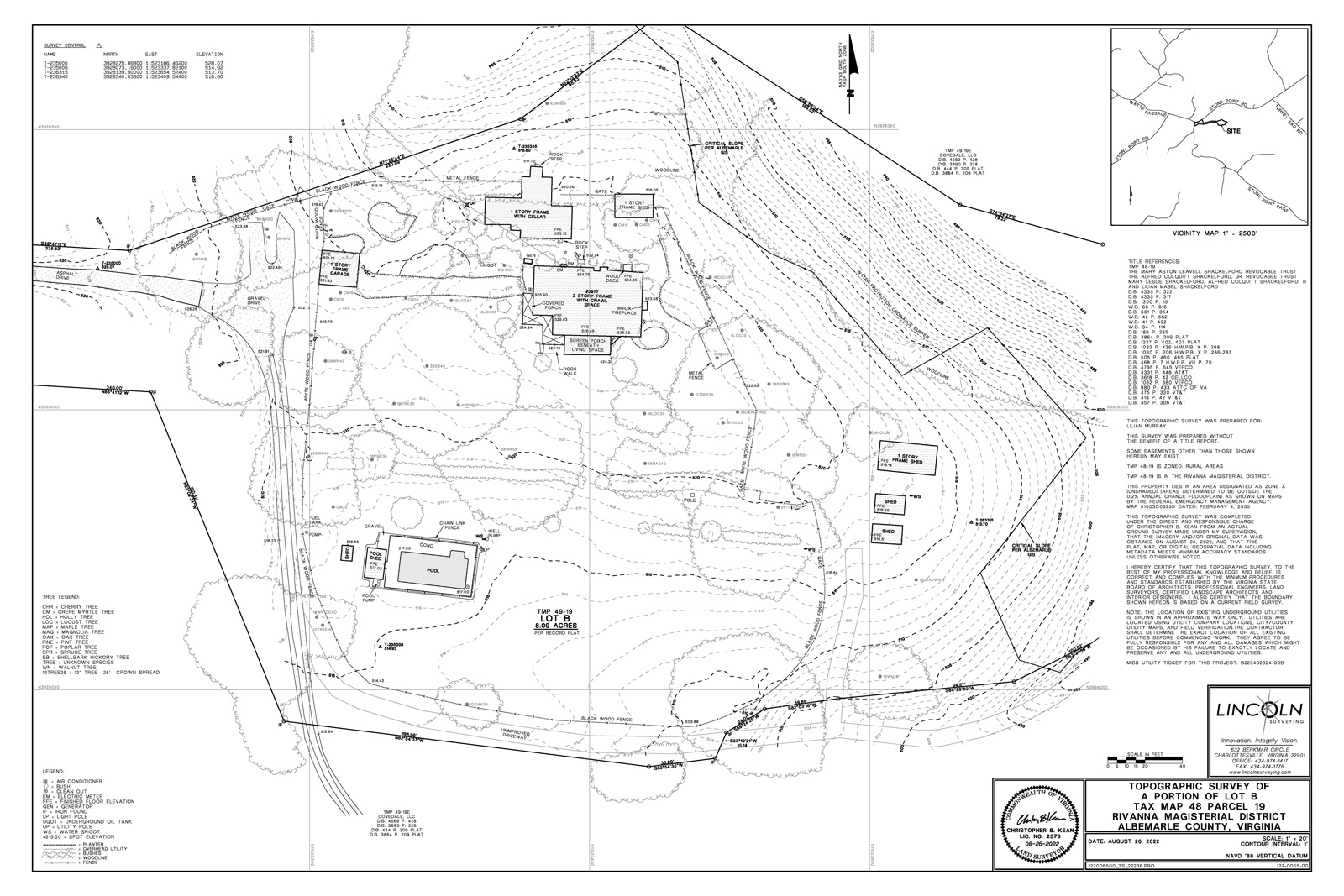
The area of topographical mapping has dramatically evolved with the adoption of modern technology, bringing improved efficiency and accuracy to the surveying methodology. Traditional approaches, which often involved prolonged handheld measurements, have now been supplemented or supplanted by advanced tools such as GPS, drones, and light detection and ranging scanning devices. These advancements allow land surveyors to capture vast amounts of data in a tiny portion of the time, while also boosting the accuracy of the data collected. The use of UAVs, for instance, enables aerial surveys that can span large spaces swiftly, while laser scanners deliver detailed three-dimensional models of topography features.
Another major breakthrough in topographical mapping is the utilization of geospatial information systems. GIS technology allows for advanced data analysis and visualization, enabling surveyors to create detailed diagrams and representations that can be clearly interpreted by designers, technicians, and project managers. This technological melding helps in better understanding of the terrain, steering design decisions and facilitating planning requests. Additionally, the capability to revise data quickly with these tools ensures that interested parties have the most up-to-date data available.
The overall effect of these modern methods extends beyond effectiveness; they also improve the precision of survey results, leading to reduced mistakes and lower expenses. By employing state-of-the-art tools for topographical surveys, practitioners can identify location constraints ahead in the procedure and make more informed decisions regarding land use. As https://surveyorssurrey.co.uk/ continues to adopt these innovations, the value placed on accurate geospatial data in building, ecological review, and land planning will only increase.