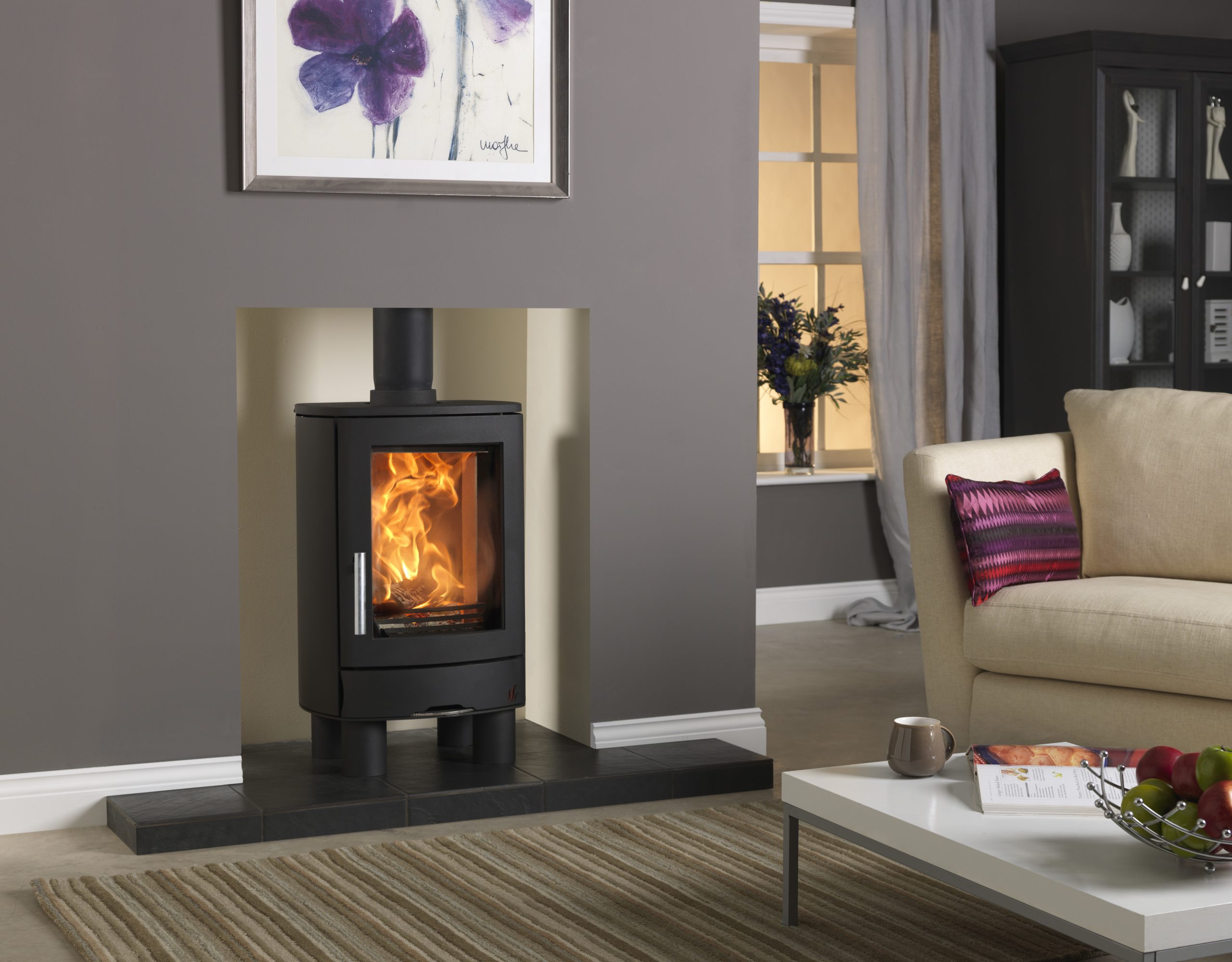
Lately, the push for sustainable living has led to notable innovations in home cooking technology, with eco stoves emerging as a innovative solution. These stoves are designed not only to improve cooking efficiency but also to minimize environmental impact. As Eco Stoves Leeds strive to reduce their emissions and embrace eco-friendly alternatives, it's essential to grasp what eco stoves are and how they operate. This article will explore their numerous benefits, the differences between eco and traditional stoves, and the developments shaping their future.
Transitioning to an eco stove can seem overwhelming, but the long-term pros are enticing. From reducing energy bills to boosting indoor air quality, eco stoves present a variety of benefits that cater to modern living while fostering sustainability. As we delve into the world of eco stoves, we'll highlight key features to consider, offer tips for maintenance, and discuss how these appliances fit into the wider movement towards sustainable lifestyles. Accompany us as we reveal the future of eco stoves and how they are changing kitchens around the world.
Comprehending Eco-Friendly Stoves
Eco-friendly stoves are designed to be more sustainable than conventional stoves. They utilize innovative technologies and materials to reduce fuel consumption and reduce harmful emissions, making them a important step towards sustainable cooking practices. The main idea behind eco stoves is their function to optimize efficiency, converting more fuel into usable heat for cooking, which in turn reduces the demand for fossil fuels and reduces carbon footprints.
These stoves can operate on different energy sources, including timber, biomass pellets, and even renewable energy like the sun's energy. Wood-burning and pellet appliances, for example, rely on biomass, which can be sourced sustainably. They typically come with better burning methods that allow for enhanced combustion, producing minimal smoke and pollutants compared to conventional stoves. This not only supports the environment but also improves home air quality, an important factor for any household.
Moreover, sustainable stoves are increasingly being incorporated into contemporary kitchen aesthetics, fusing functionality with visual charm. They offer a selection of styles and features, which cater to both large homes and compact areas. The flexibility of sustainable stoves allows residents to enjoy the advantages of eco-friendly cooking without compromising aesthetic or area, making them a appealing option for those wanting to enhance their sustainable living practices.
Benefits and Effect
Moving to eco stoves provides many benefits that reach beyond individual households. One of the most important benefits is the decrease in power usage, which leads into lower utility bills. Eco stoves are designed to be more effective, using less fuel while still providing adequate heat for meal preparation or heating spaces. This efficiency not only saves money but also lowers the demand for fossil energy sources, advocating a more eco-friendly energy future.
The effect on the environment of eco stoves is immense. By employing renewable resources, such as biomass, these stoves considerably reduce carbon emissions in contrast to traditional heating. This shift helps address climate change and aids to cleaner air quality. Additionally, the utilization of low-emission technologies helps minimize pollution and other pollutants, leading to better indoor and outdoor spaces and minimizing the effects of indoor air pollution on households.
In rural communities and self-sufficient living situations, eco stoves play a critical role in promoting a sustainable lifestyle. As an increasing number of people seek eco-friendly living options, eco stoves offer practical solutions that can foster energy independence. Innovations in design and technology continue to make these stoves more accessible and simple, ensuring they serve to varied living situations and enhance the communities utilizing them. Through their effectiveness and sustainability, eco stoves are laying the way for a brighter and increasingly sustainable future.
Opting for and Looking after Eco Stoves
While selecting an eco stove, it is important to consider your individual needs, like cooking habits, available space, and energy requirements. Search for models that deliver high efficiency ratings and employ sustainable materials. Features like adjustable airflow, thermostatic controls, and compatibility with renewable energy sources can enhance performance and convenience. Additionally, assessing the size and design of the stove for your kitchen layout is crucial, especially if you are dealing with a limited space.
Consistent maintenance is key to securing the longevity and efficiency of your eco stove. Cleaning the stove and chimney regularly will prevent creosote buildup and improve combustion efficiency. Most eco stoves come with user manuals that outline recommended maintenance practices, which include how to clean the burners and inspect the seals. Staying on top of maintenance not only boosts performance but also reduces safety risks, guaranteeing a safe and enjoyable cooking experience.
Ultimately, comprehending safety features is important when using an eco stove. Many modern eco stoves are equipped with automatic shut-off systems, safety locks, and temperature controls designed to prevent accidents. Getting to know these features and practicing safe usage methods will make a significant difference in your overall experience. Being proactive about both selection and maintenance will help you enhance the benefits of your eco stove while promoting a more sustainable lifestyle.