

Steering through the complexities of land surveying can sometimes appear like deciphering a hidden dialect. For Click here for more , investment stakeholders, and builders alike, comprehending the important position of professional surveyors is vital. These specialists provide critical insights into land boundaries, land use regulations, and property conditions that can decide major investment decisions. In this guide, we will explore what the role of surveyors, why their services are necessary, and how their skills helps avoid pitfalls in property transactions and development projects.
As you consider buying property or embarking on a construction venture, the importance of a thorough land survey cannot be exaggerated. From boundary surveys that avoid costly conflicts to modern tools like GPS and drones that boost accuracy, the field of surveying is changing rapidly. This article serves as a complete guide to all aspects of land surveying, including everything from the varieties of surveys available to practical advice on selecting the best professional for your needs. Whether you are a seasoned investor or a new buyer, understanding these fundamentals of surveying is your crucial factor to making wise decisions in the real estate market.
Grasping Land Surveying
Surveying land is crucial for determining the specific boundaries and size of a plot of land. A surveyor utilizes various instruments and methods to create precise representations of the land, which can include maps and diagrams. Comprehending these assessments is important for landowners, as they provide understanding on property lines, rights of way, and likely infringements. This knowledge is key for many real estate transactions and land development projects.
Before acquiring real estate, having a survey conducted executed is a usually essential step. This procedure ensures that investors are knowledgeable of the exact dimensions and attributes of the land they are looking at. Without a valid land survey, investors are exposed to discovering border complications, land use regulations, or conflicts with adjacent property owners after the transaction, which can cause costly and time-consuming legal problems. Consequently, a land survey offers assurance and is a protection for property investments.
Different types of land surveys serve different functions and can be categorized based on particular needs. For example, boundary surveys concentrate on determining accurate boundaries, while topographic surveys illustrate the landscape, showing height variations and topographical characteristics. Further categories include ALTA/NSPS surveys, which are more suitable for commercial properties and adhere to established standards. Understanding these differences helps property owners determine the right survey type for their needs, ensuring accurate and useful data for their plans.
The Importance of Hiring a Professional Surveyor
As it pertains to property possession, hiring a qualified surveyor is essential for guaranteeing that your land is accurately measured and properly documented. Surveyors possess the expertise and training necessary to understand land boundaries, assess property lines, and address disputes that may arise with neighbors or local authorities. Their knowledge of local regulations and compliance standards can protect property owners from expensive legal issues down the road. Without a qualified surveyor, you risk making decisions based on inaccurate information, which can result in serious financial setbacks.
Qualified surveyors also utilize cutting-edge technology and equipment that the average property owner may not have available. This includes GPS systems, drones, and 3D laser scanning, that enhance the precision of surveying work. By taking benefiting from these tools, surveyors can provide high-quality surveys that deliver detailed data and a clear understanding of your land's characteristics. This level of detail is crucial for various projects, from buying a new property to organizing construction or renovations.
Additionally, engaging a professional surveyor can streamline the entire process of property transactions or development projects. They promote communication between stakeholders, ensuring that all stakeholders are on the same understanding. A qualified can provide valuable insights and recommendations derived from their findings, helping property owners make informed decisions. In essence, a qualified surveyor is an essential asset that protects your investment and promotes successful outcomes in land-related endeavors.
Emerging Advancements in Geospatial Tech
The field of surveying is swiftly evolving with advancements in technology, transforming conventional methods into significantly efficient and precise practices. One significant trend is the integration of Geographic Information Systems (GIS) with land surveying. This tech permits surveyors to examine geographic data in various ways, enabling them to produce detailed maps and representations that aid in design. Property managers and builders benefit from this technology as it provides a complete view of the land, including its terrain and any likely zoning challenges.
Another remarkable trend is the adoption of unmanned aerial vehicles (UAVs) for aerial surveying. Drones outfitted with high-resolution cameras and LiDAR sensors are becoming commonplace in the surveying industry. They can quickly acquire large areas of land with exceptional accuracy, which is especially useful for projects such as infrastructural development, land assessments, and environmental monitoring. Drones not only boost the speed of data collection but also minimize costs by cutting the need for comprehensive ground surveys in various cases.
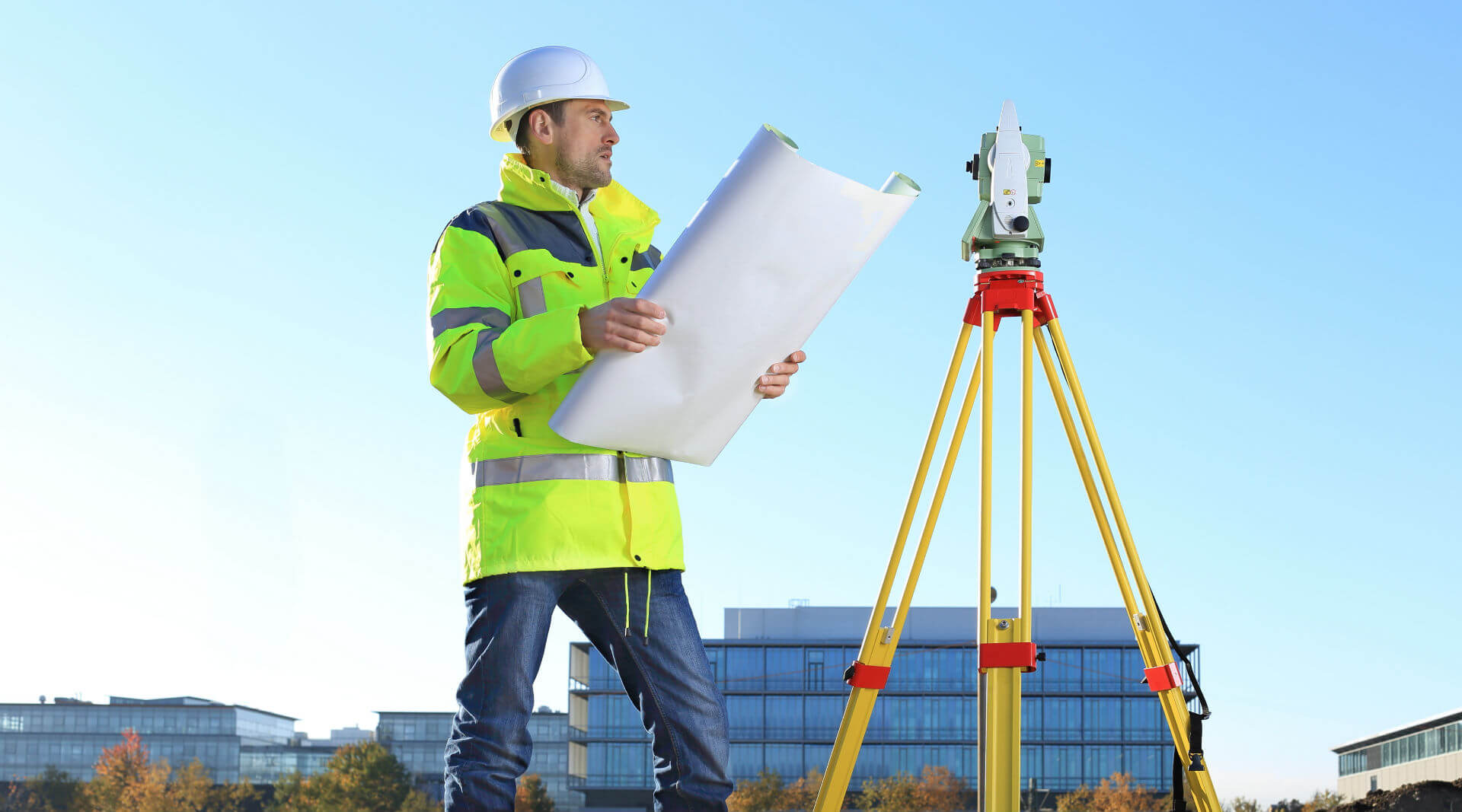
In conclusion, the emergence of 3D laser scanning is transforming how surveyors approach intricate projects. This tech records precise measurements of physical spaces and creates remarkably detailed three-dimensional representations. It is particularly useful for construction and renovation projects, as it helps in identifying likely issues before they escalate. The ability to visualize structures and terrains in 3D contributes significantly to improved planning and execution, ensuring that surveyors can provide essential insights during every project phase.