

When the seasons change, so do your heating, ventilation, and air conditioning system shift. Preparing your HVAC system for cold weather and summer conditions is essential for maintaining comfort in your home and ensuring that your system functions well. By taking the time to understand how to care for and look after your HVAC system, you'll not only extend its duration but also potentially reduce on utility costs and improve indoor air quality.
In this article, we will cover key seasonal HVAC advice to ensure your system running smoothly year-round. From understanding when to service your HVAC system and noticing the signs that it needs attention, to suggestions on enhancing indoor air quality and selecting the best system for your residence, we’ll help you. Regardless if you are faced with the oppressive heat of summer or the biting cold of winter, these insights will aid ensure that your HVAC system handles the demands of each season successfully.
Fundamental HVAC Service Tips
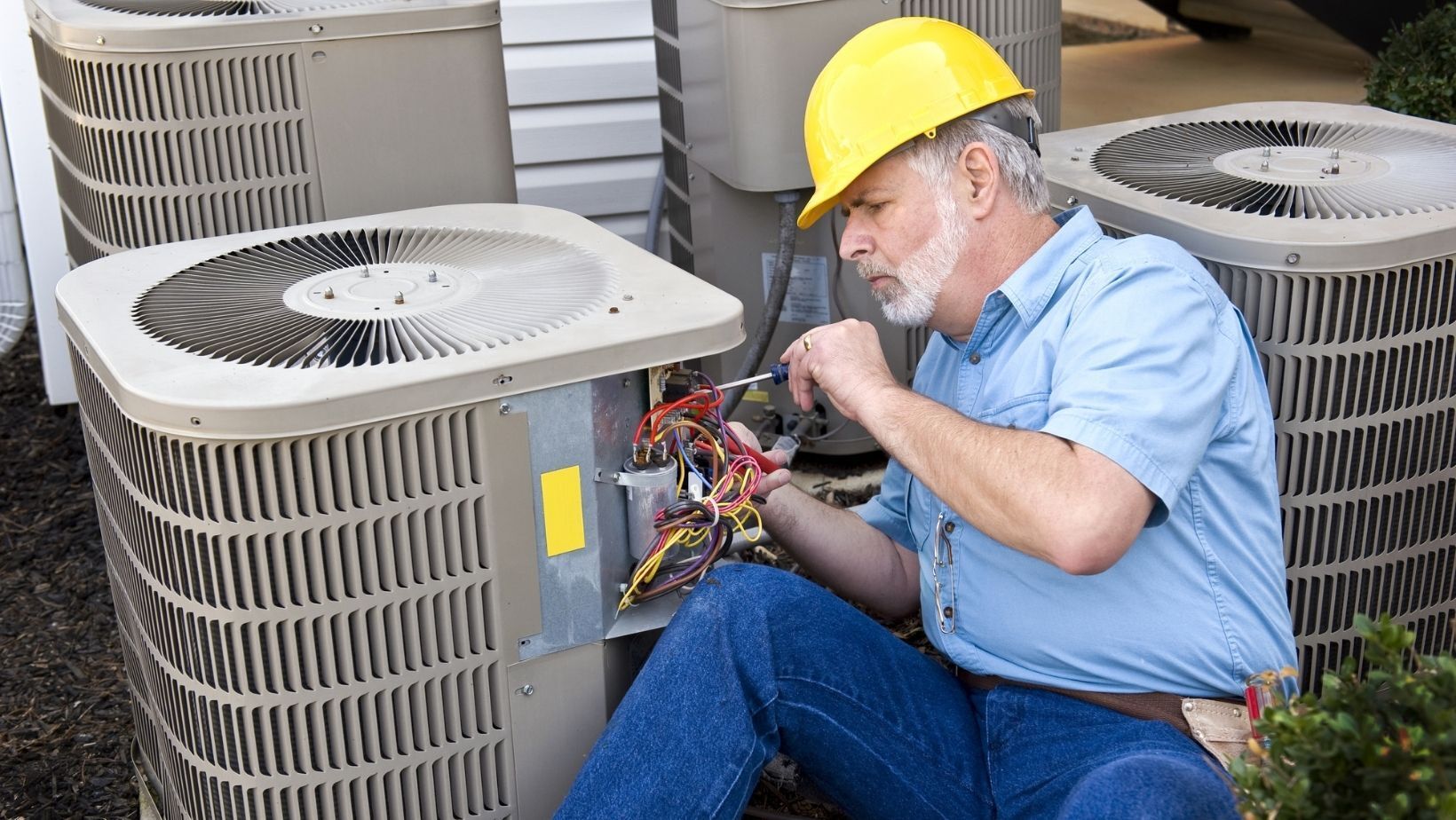
A key aspects of guaranteeing your HVAC system operates effectively is regular maintenance. It is recommended to service your HVAC system at least double a year, ideally in the spring and autumn. This provides a thorough inspection and required adjustments before the warm heat and winter chill set in. During these service appointments, trained professionals will inspect critical components, maintain the system, and replace filters, which can boost both the performance and durability of your HVAC unit.
Observing your system year-round is also important. Keep an eye out for the 10 signs that your HVAC system may need prompt attention, such as unusual noises, variable temperatures, and rising energy bills. Tackling these issues promptly can avert more serious problems down the line, likely saving you time and money. Note that, the expense of neglecting small repairs can rapidly escalate into larger expenses.
Ultimately, improving indoor air quality is an essential part of HVAC maintenance. Consistently swapping air filters and understanding their value can significantly impact air circulation and filtration. Clear air contributes to a healthier living environment and can alleviate allergy symptoms, making your home a better place all seasons. By incorporating these maintenance practices into your routine, you'll make certain that your HVAC system functions effectively throughout all seasons.
Signs of Heating, Ventilation, and Air Conditioning Problems
Recognizing the signs of HVAC problems is important for ensuring convenience and efficiency in your home. One of the most frequent indicators is strange noises coming from your system. If you listen to banging, clanking, or screeching noises, it may suggest a mechanical problem that needs urgent care. Additionally, if your HVAC system is producing heated air or making unusual odors, it could signal a serious issue.
Another sign to look for is varying temperatures throughout your home. If some rooms seem much hotter or colder than others, it may be a sign of ductwork issues or an improperly operating Heating, Ventilation, and Air Conditioning system. Regular turning on and off can also point to a problem, as it can lead to higher utility costs and ultimately harm the system if not resolved promptly.
Finally, keeping track of your utilities is crucial. A sudden increase in your energy costs, without any adjustments in consumption, may mean that your Heating, Ventilation, and Air Conditioning system is struggling to operate effectively. Consistently assessing these indicators can help you identify issues early, making sure your system runs smoothly year-round.
Efficiency of Energy and Savings on Costs
Putting your money in an energy-efficient HVAC system can lead to significant savings on your utility bills. These units are engineered to use less energy while delivering the equivalent level of comfort, causing reduced operational costs. When selecting a new HVAC unit, search for models with high SEER ratings, as these indicate superior efficiency. In the long run, the savings in energy costs can offset the upfront investment in an upgraded system.
Routine maintenance is important to making sure your HVAC unit operates at optimal efficiency. Simple tasks, such as changing air filters and organizing routine tune-ups, can improve performance and extend the lifespan of your equipment. In addition, ensuring optimal airflow and clear components prevents excessive energy use, making sure you are not spending more than necessary on heat and air conditioning your home.
Using smart technology can further enhance energy savings. see this here enable homeowners to optimize temperature settings based on occupancy and time of day, resulting in more efficient energy use. By incorporating energy-efficient habits and systems into your home, you not just create a more comfortable living environment but also contribute to long-term cost savings and lowered environmental impact.