

In the fast-paced world of contemporary construction, guaranteeing safety on job sites is ever critical than ever. As become more and more complicated, classic digging methods frequently expose workers to a variety of hazards, like unintentional utility strikes and soil collapse. This is where vacuum excavation techniques emerge as essential, offering a groundbreaking approach that lessens risk and enhances safety across the board.
Vacuum excavation, also known as gentle digging, utilizes powerful suction and intense water or air to carefully remove soil without disturbing surrounding utilities or structures. This method is revolutionizing how construction projects are performed, especially in metropolitan environments where subterranean infrastructure is congested. By understanding the various benefits of vacuum excavation, construction professionals can boost job site safety, decrease downtime, and ultimately deliver results that are both efficient and secure.
Understanding Vacuum Digging
Suction digging is a modern excavation technique utilized in building and infrastructure work that minimizes risks linked with traditional methods. It merges high-pressure water or air with a powerful suction mechanism to securely remove soil without the danger of injuring underground pipelines. This harm-free approach is notably important in heavily populated city areas where current facilities is plentiful and often buried just below the ground.
The method begins with either water-powered excavation, which uses pressurized water to break up the earth, or gas excavation, which makes use of pressurized air to break apart the ground. Once the soil is sufficiently loosened, the vacuum system efficiently collects the material into a storage tank, permitting precise digging and slight interference to the adjacent area. This method not only improves safety by lowering the risk of accidents but also simplifies the excavation procedure for various uses including utility locates and trenchless technology.
Vacuum excavation is transforming modern building by providing a safer choice to traditional digging methods. With growing Vacuum Excavation Dungannon Northern Ireland of the dangers involved in infrastructure strikes and the value of maintaining existing infrastructure, many construction professionals are now adopting suction excavation techniques. This shift reflects a broader industry trend towards safer and effective construction practices that correspond with sustainability goals and environmental considerations.
Protection Gains of Vacuum Excavation
Suction excavation considerably enhances security on construction sites by minimizing the risk of accidents and injuries. Unlike traditional digging methods, which frequently involve heavy machinery and manual labor, suction excavation makes use of a non-destructive approach that curtails the potential for hazardous situations. The process involves powerful suction to remove soil and debris, which diminishes the chances of cave-ins and ground disturbances that can present threats to workers and bystanders.
One of the most essential safety gains of vacuum excavation is its feature to shield underground utilities. By using advanced techniques such as potholing, operators can safely locate and expose utility lines without the danger of damaging them. This not only prevents costly repairs and service interruptions but also protects workers from electrical hazards and potential explosions associated with accidentally striking gas or electric lines. Such protective measures are vital in maintaining a safe working environment.
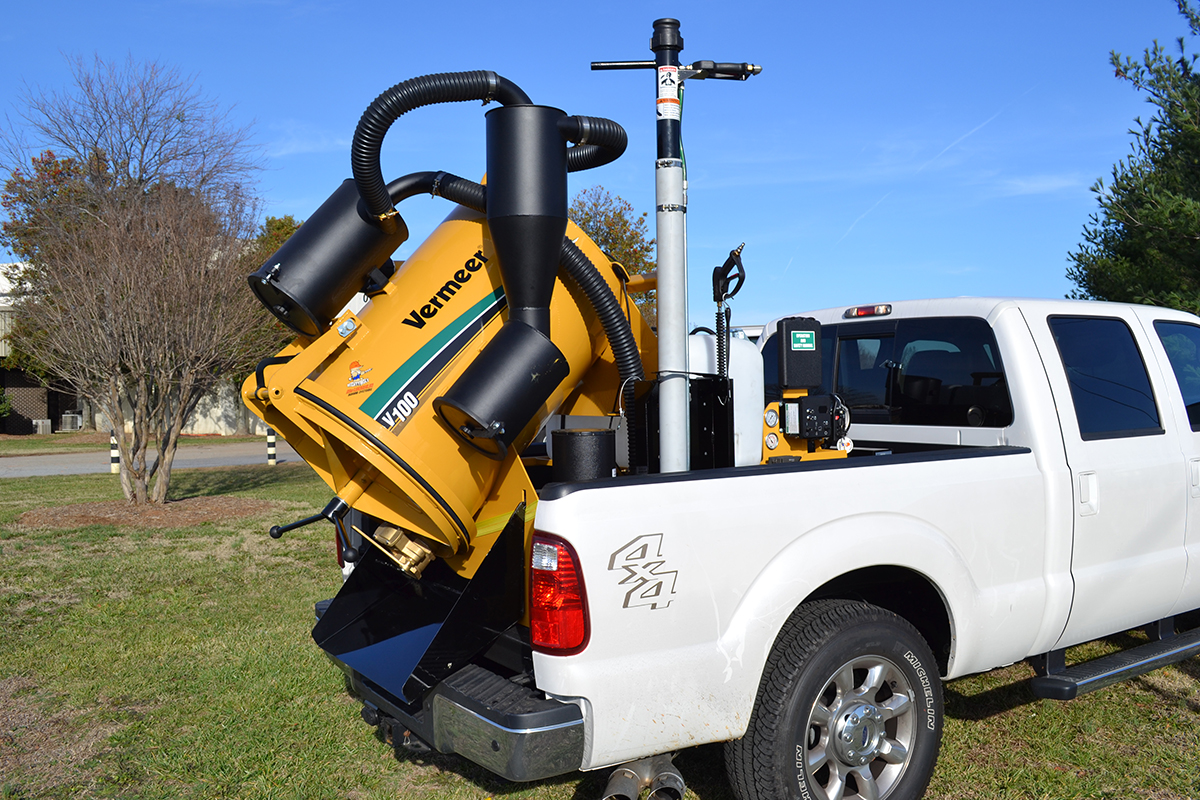
Additionally, suction excavation contributes to a neater job site. The immediate disposal of excavated materials lowers clutter and diminishes trip hazards, allowing workers to concentrate on their tasks without distractions. With fewer debris and fewer equipment movements required for traditional digging, the overall site becomes more orderly, leading to improved operational efficiency. The cumulative effect of these safety benefits makes suction excavation a preferred choice for modern construction projects.
Implementations and Best Practices
This technique of vacuum excavation is utilized across a diverse set of sectors due to its non-destructive nature. One prevalent use is in utility location and potholing, where workers can safely expose underground utilities without endangering damage. This technique is particularly helpful in urban environments where multiple services are often buried close together. Additionally, vacuum excavation is effective for trenchless engineering projects, allowing for the installation of new pipes and wires while lessening surface disruption.
In construction and maintenance, vacuum excavation plays a vital role in drainage and sewer maintenance. By removing soil and debris without incurring structural damage to existing systems, it enables prompt access for repairs and upgrades. Furthermore, this approach is utilized in landscaping projects where preserving tree roots is crucial. Adequate root protection can be secured while still performing necessary excavation work, highlighting its versatility in different scenarios.
To ensure efficient vacuum excavation, following best practices is essential. Workers should receive extensive training on tools and safety protocols, following detailed guidelines for site preparation and excavation techniques. Routine maintenance of vacuum excavation equipment is also vital to avoid any failures that could lead to safety hazards. By focusing on these guidelines, companies can enhance the safety advantages of vacuum excavation and optimize project outcomes.