

Clogged sewers prove to be a serious headache for homeowners and business owners alike. No matter if it is a draining poorly sink in the kitchen or a entirely blocked toilet, these challenges not only disrupt daily routines but may also lead to costly repairs if not addressed. Understanding the frequent causes of obstructed drains, as well as proactive solutions, can rescue you hours, money, and stress.
In this write-up, we will investigate effective solutions for clearing pipes, from recognizing the key indicators your drain is about to get obstructed, to reviewing the advantages and cons of DIY techniques versus expert services. We will also delve into natural remedies, the effect of chemical solutions, and crucial prevention advice that can stop upcoming challenges. With useful guidance and insights, this resource aims to strengthen you to handle drain problems successfully and keep your drainage system in great working order.
Typical Factors of Blocked Sinks
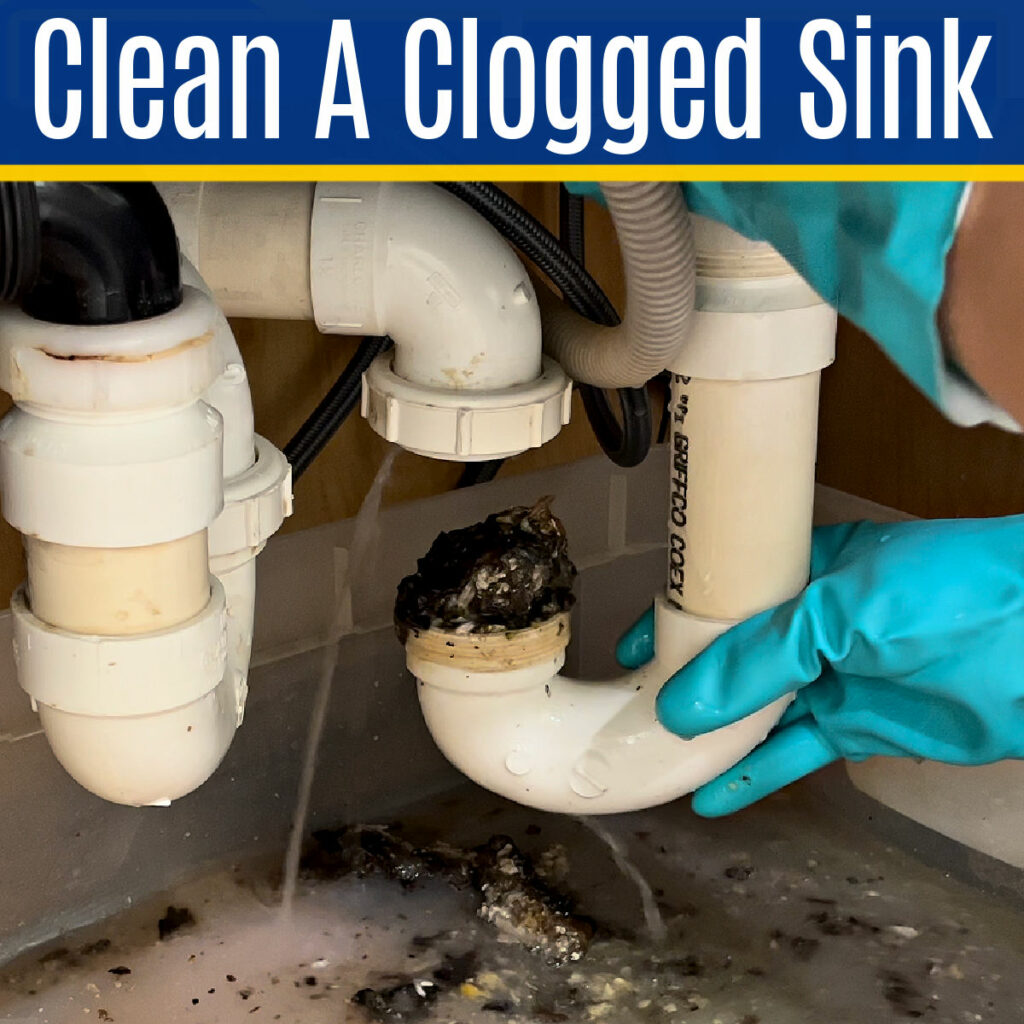
Blocked sinks can be caused by a number of routine substances that usually find their way into our drainage systems. One of the most common causes is food waste, notably in kitchen sinks. Waste, fats, and fats can accumulate, leading to troublesome clogs that interfere with water flow. Additionally, unwise disposal of materials like coffee residue and stringy vegetables can add to clogs, making it important to be aware of what goes down the drain.
In washrooms, strands of hair is a significant factor behind blocked drains. Over time, hair can intertwine with cleaning product residues, leading to thick clogs that are challenging to unclog. Substances like lotions, hair cleansers, and conditioners can exacerbate this issue, incrementally accumulating and adhering to the surfaces of plumbing. To stop these kinds of issues, using covers and frequently maintaining your sink is important.
A further frequent factor of drain blockages is the penetration of vegetation roots. As trees grow, their roots look for moisture and can infiltrate underground pipes, resulting in significant blockages. This often goes overlooked until the issue becomes significant, leading to expensive repairs. Consistent upkeep and evaluations can help uncover possible root intrusion before it results in serious plumbing concerns.
DIY vs. Expert Approaches
When faced with a blocked drain, many homeowners often turn to do-it-yourself methods. These can include using a plunger, baking soda combined with vinegar, or even a drain snake. DIY solutions often appeal due to their low cost and the fulfillment of solving a problem on your own. However, they may only deliver a short-term solution, especially for persistent clogs or deeper problems that require a more comprehensive approach.
On the other hand, hiring a licensed plumber can save time and potentially avert further harm to your plumbing system. https://drainagecontractorscumbria.co.uk/ come equipped with advanced tools and methods, such as high-pressure water jetting and drain cameras, which allow them to detect and resolve the root causes of clogs. Their knowledge can also lower the chance of recurring issues, providing more lasting solutions than typical DIY efforts.
Ultimately, the choice between DIY and expert solutions depends on the seriousness of the obstruction and the homeowner's confidence with plumbing tasks. For small clogs, DIY methods may be sufficient, but for persistent problems, enlisting a qualified expert can be a prudent investment in maintaining the integrity and efficiency of your drainage system.
Preventative Upkeep Tips
Routine maintenance is essential for maintaining your pipes unblocked and preventing blockages. One of the most straightforward ways to maintain your pipes is by making a periodic list of tasks. This checklist should feature tasks like checking for leaks, washing the drains, and clearing debris from exterior and storm gutters. Additionally, be proactive in keeping hair, food bits, and oily substances out of your drainage network to minimize accumulation.
Employing organic solutions can also assist in avoiding potential clogs. Consider periodically pouring your drains with a mixture of sodium bicarbonate and vinegar, as this can aid break down light accumulation. Additionally, putting in place drain guards can keep larger debris from entering the drains, further reducing the likelihood of blockage. These simple yet effective methods can extend the longevity of your systems.
Finally, routine professional inspections can identify issues before they escalate as significant concerns. Plumbers have the tools and skills to identify trouble areas and avoid upcoming clogs. Investing in routine upkeep can protect you money in the long run and guarantee that your systems work efficiently, protecting your home from the consequences of clogged drains.