

Peptides, frequently described as essential elements of biological systems, constitute compact groups of amino acids that fulfill crucial functions in biological processes. read more are not just crucial to various physiological functions, but they also hold remarkable capability in the realm of biotechnology and medicine. With their power to interact with cells and initiate specific actions, peptides are proving to be significant contributors in the creation of drugs, therapeutic interventions, and numerous other fields. As scientists proceed to decipher the complexities of peptide studies, we are experiencing a shift that may change our understanding of biology and improve health outcomes.
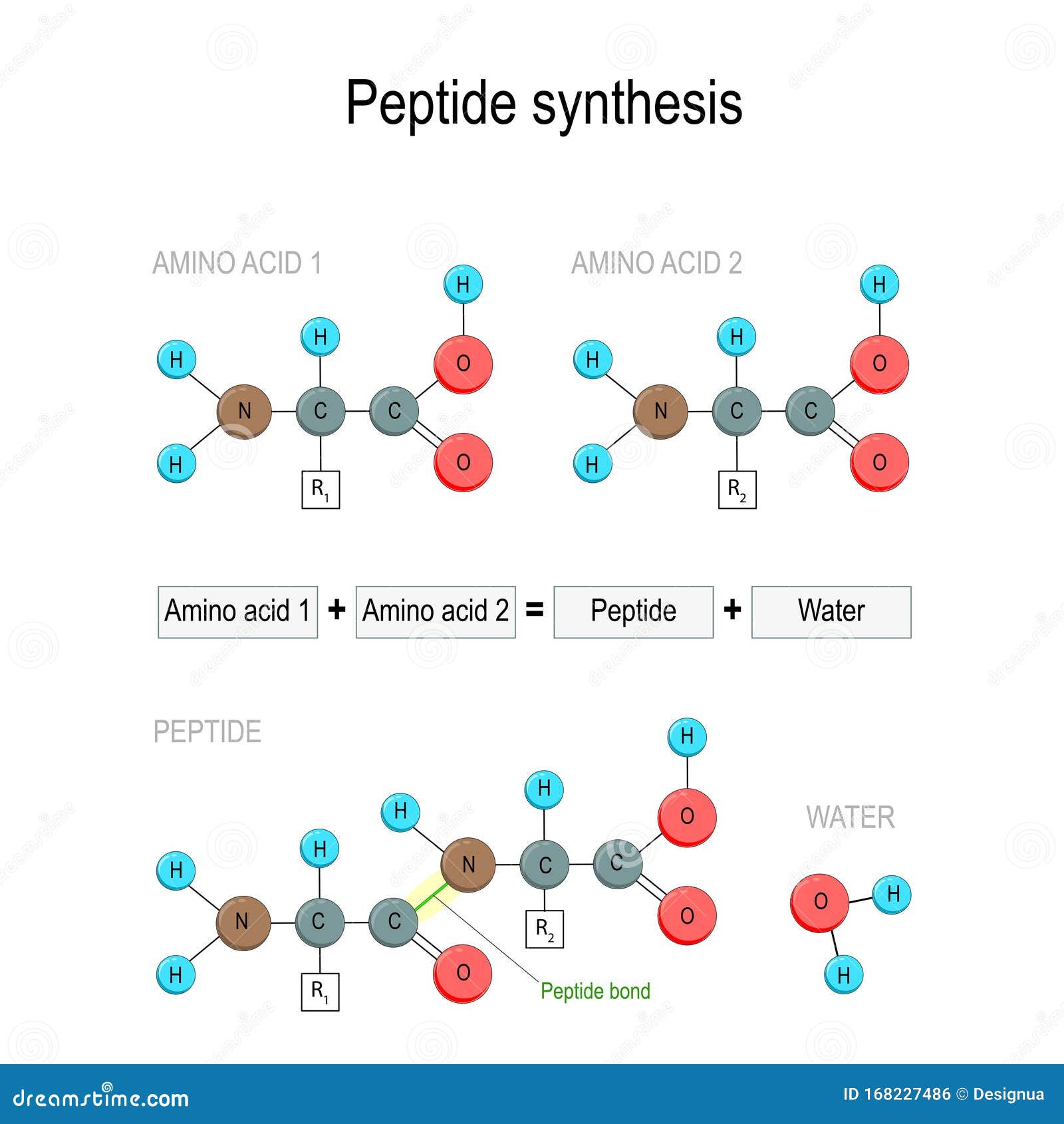
In this article, we will investigate the detailed world of peptides, delving into their structure, functions, and importance in modern biology. From understanding how amino acid sequences govern their activity to exploring the latest techniques used to study and develop these molecules, we will guide you through the basic concepts that form the basis of peptide research. We will discuss the current state of peptide science, that includes common misconceptions and highlighting the exciting future that lies ahead as researchers leverage advanced technologies to reveal the complete potential of peptides in medical science and other fields.
Grasping Peptide Molecules: Fundamentals and Functions
Peptides are short strands of amino acids, typically comprising two to fifty amino acids linked by peptide bonds. They play a crucial role in numerous biological processes, ranging from hormonal regulation to immune system responses. In contrast to protein structures, which are longer chains that form complex structures, they are less complex and can function independently or as part of more complex protein assemblies. Grasping their structure and role is essential for understanding their significance in current biological sciences and medicine.
The basic function of peptides is often related to their capability to interact with cellular structures. They function as signal molecules that can influence a wide variety of physiological processes, including the growth of cells, cell differentiation, and metabolism. This signal transduction is enabled through particular peptide receptors present on the outer layer of target cells. When a peptide binds to its binding site, it triggers a cascade of biochemical reactions, ultimately leading to a cellular response. This intricate communication network underscores the critical role of these chains in keeping balance in the body and responding to external stimuli.
Studies into peptide chains has uncovered their varied functions and potential therapeutic uses. These molecules have been designed for use in medications, vaccination and various healthcare solutions due to their targeted action and limited harmful effects. By comprehending the methods in which amino acid sequences shape peptide activity, scientists are better equipped to design synthetic peptide drugs for targeted treatments. This continuous research not only enhances our understanding of the science of peptides but also holds potential for breakthroughs in treating various diseases, marking peptides as key players in the evolution of medicine.
Protein Fragments in Scientific Studies: Techniques and Techniques
Protein fragment study relies on a range of advanced methods and methods that allow scientists to investigate their characteristics and roles. One of the fundamental techniques used is solid-phase peptide synthesis, which enables the stepwise assembly of peptides from amino acids. This method is crucial for creating tailored peptides with particular sequences, allowing researchers to investigate how these sequences affect biological activity. Additionally, chromatography and mass spectrometry are integral for refining and characterizing peptides, ensuring that researchers can analyze their characteristics with precision and in depth.
Another key factor of peptide research involves understanding how these substances interact with cells and biological systems. Researchers employ a variety of biological assays to explore peptide activity, evaluating their ability to bind to specific receptors and elicit cellular responses. science peptides as SPR and fluorescence resonance energy transfer provide insights into the dynamics of peptide-receptor interactions, providing a deeper insight of cellular signaling pathways. Look at this website are essential for clarifying the intricate roles that peptides play in wellness and illness.
In conclusion, computational biology has become an invaluable tool in peptide study, allowing scientists to model peptide structures and forecast their interactions with different biological targets. Improvements in computational techniques enable researchers to model the folding of peptides and evaluate their stability, which is critical for creating dependable therapeutic candidates. By combining computational approaches with experimental data, researchers can streamline the peptide identification process and enhance our knowledge of their biological functions, paving the way for new medical applications.
Upcoming Paths in Protein Research
As the area of peptide research keeps to advance, innovative approaches and techniques are influencing innovative ways to study and application. One significant path is the integration of computational biology, which allows scientists to simulate peptide interconnectivity more effectively and predict potential therapeutic effects. Through the use of cutting-edge algorithms and machine learning, scientists can simplify the peptide identification workflow, identifying attractive candidates for medication development with enhanced efficiency. This computational approach not only accelerates research but also improves the knowledge of protein function in living systems.
Furthermore, the synthesis of artificial peptides has gained importance, providing an pathway for customized therapeutics tailored to specific conditions. Researchers are exploring ways to design peptides with enhanced stability and bioactivity, focusing on their functional properties to address a range of conditions. This trend is particularly evident in the field of personalized medicine, where peptides can be crafted to target individual patient profiles, leading to more efficacious treatment strategies and improved patient outcomes.
Finally, the exploration of protein libraries represents a significant leap forward in the field, providing vast potential for breakthroughs in drug development. These libraries allow scientists to evaluate a multitude of peptide sequences effectively, identifying those with desirable properties for therapeutic use. As protein study advances, the creation and use of extensive peptide libraries will reveal new opportunities, paving the way for revolutionary treatments and understandings into cell mechanisms that govern health and illness.