

Peptides are fascinating molecules that play a critical role at the crossroad of biological sciences and biotechnological fields. https://originalpeptidesciences.com/ of amino acids are vital building blocks in the cell processes of life, involved in a multitude of processes ranging from endocrine regulation to immune response. As research advances, the fascination in peptide science continues to grow, unlocking fresh possibilities for medical treatments and biotechnological applications.
Understanding how peptides function and interact with cells opens a door into their significance in contemporary biology. From unraveling their complex structures to exploring their biological activities, the journey of peptide research is both challenging and thrilling. This article aims to illuminate on the fundamentals of peptide science, the various methods used in studies, and the cutting-edge applications that continue to shape our knowledge of health and disease. Join us as we delve into the world of peptides and discover why they are significant in today's scientific landscape.
Comprehending Peptide Compounds: Fundamentals and Roles
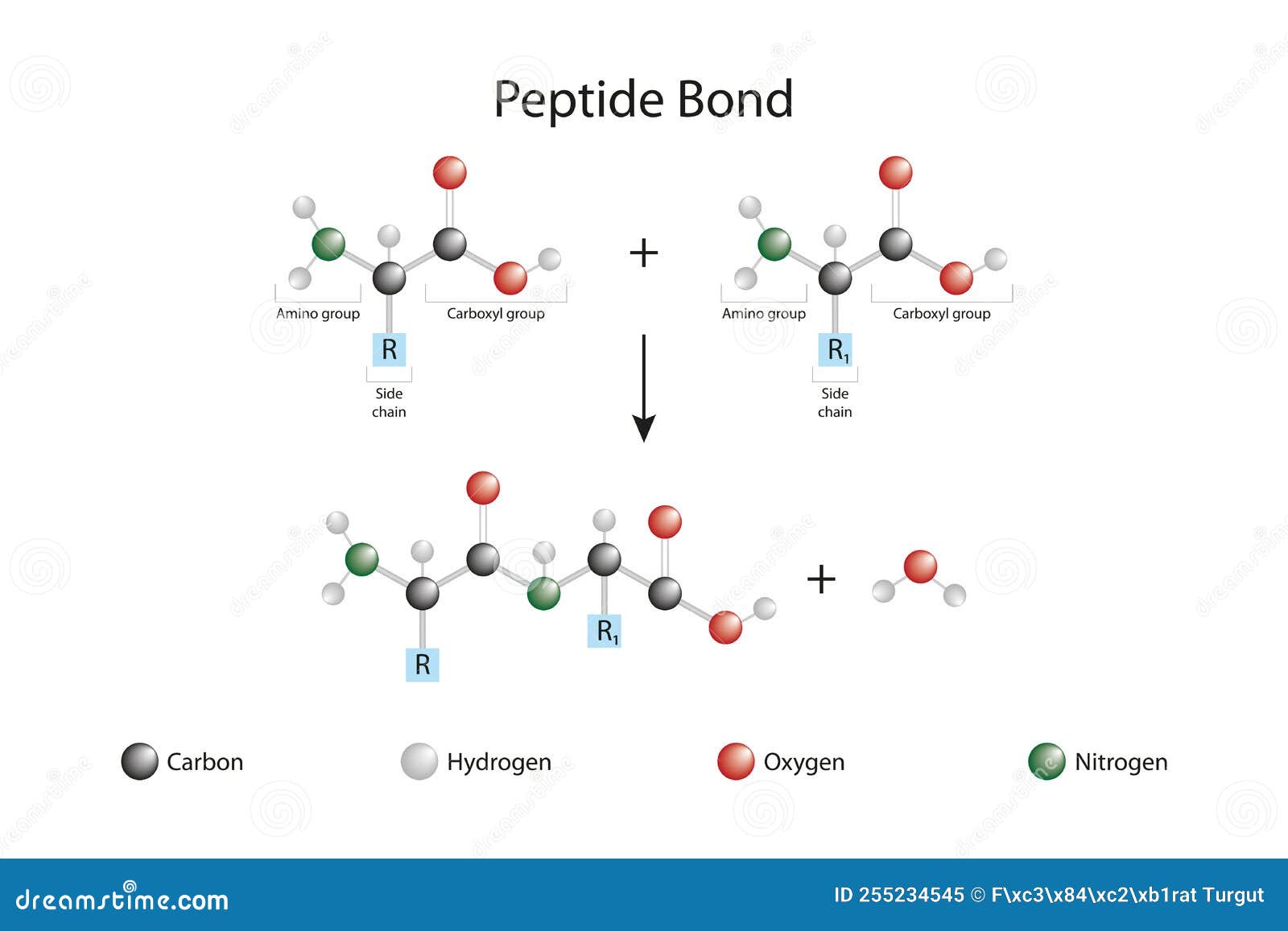
Peptides are short chains of AA connected by peptide linkages, typically comprising of 2 to 50 amino acids. They perform essential roles in diverse biological processes within the body, acting as signaling substances that can impact the activity of cells. The distinct properties of peptides rely on their individual sequence of amino acids, which dictates their form and function. This establishes them crucial in both basic biology and cutting-edge biotechnological applications.
In terms of function, peptides serve a multitude of functions, such as acting as hormones, neurotransmitters, and antimicrobial agents. They enable interactions between cells and are engaged in mechanisms like immune response and metabolism. By binding to specific receptors on cell surfaces, peptides can induce a wide range of physiological responses, showing their importance in maintaining homeostasis and reacting to environmental changes.
Comprehending the fundamentals of peptide composition and function is essential for researchers and biotechnologists. It establishes the foundation for exploring how peptides can be harnessed in drug development and therapeutic applications. As the science of peptides keeps to evolve, so does our knowledge of the intricate roles they play in health and disease, opening the door to innovative treatments and technologies in the future.
Protein Identification and Development
The process of peptide identification typically starts with understanding the biological context in which these compounds function. Scientists investigate naturally found peptides, often isolating them from biological sources such as flora, animals, or microorganisms. This exploration allows researchers to identify potential therapeutic candidates that can influence biological processes. Once promising peptides are identified, their sequences are analyzed for biological activity and specificity, setting the basis for further development.
In the lab, synthetic peptides are synthesized to study their structure-function relationships and potential uses. Technology advancements have facilitated the synthesis of a wide range of peptides using automated robotic platforms, enhancing the effectiveness of discovery. Characterization techniques, including mass spectrometry and high-efficiency liquid chromatography, are utilized to verify the identity and purity of these synthetic peptides, which is essential for ensuring their reliability in research and therapeutic settings.
As peptide candidates progress through the development pipeline, their durability and activity must be thoroughly evaluated. Scientists assess how peptides engage with cell receptors and their ability to initiate specific cellular responses. This information drives the optimization of peptide architecture, leading to modifications that enhance efficacy while reducing potential side effects. The continuous development of computational biology tools also plays a crucial role, allowing for predictive modeling of peptide behavior and driving innovative approaches to peptide identification.
Peptides in Scientific Investigation and Therapeutics
Protein Fragments are increasingly acknowledged as crucial components in both research and medical treatments. Their ability to mimic natural processes makes them invaluable in the formulation of new drugs. Scientists utilize protein fragments to target defined cellular mechanisms, which can lead to groundbreaking treatments for various diseases, including oncological conditions, metabolic disorders, and autoimmune diseases. This focused approach allows for a more specific interaction with living organisms, potentially minimizing side effects associated with bulkier molecules like proteins.
The method of discovering and formulating peptide-based therapeutics involves several key steps. Initially, researchers identify potential peptide sequences that exhibit desirable biological activity. Advancements in methodology, such as high-throughput screening and peptide libraries, enable scientists to quickly evaluate large numbers of peptides and their responses with targeted biological components. Once a lead compound is identified, extensive examination is necessary to ensure clinical effectiveness and safety. This includes assessing peptide stability, cleanliness, and specificity, which are crucial factors in the pharmaceutical process.
Protein fragments also hold great promise in tailored medical treatments, where customizing therapies to individual patients can lead to enhanced results. The unique ability of protein fragments to engage with specific receptors means they can be designed to address particular cellular dysfunctions found in varied patients. As scientific inquiry continues to advance in the field of peptides, we can look forward to the emergence of novel peptide-based therapies that change the landscape of modern medicine, bringing optimism for conditions that are currently difficult to treat effectively.