

Saying goodbye to a loved one is never easy, and arranging a funeral may seem daunting amidst sorrow. However, handling funeral preparations with compassion and imagination can transform this challenging experience into one that honors the life lived and supports the grieving family. Understanding the actions to follow, the choices you have, and how to navigate the emotional aspects of this process is essential for making informed decisions that reflect your loved one's unique personality and values.
In this guide, we will delve into different approaches for successful funeral arrangements, offering insights into how to personalize a service, the role of cultural rituals in shaping the funeral process, and the significance of advance planning to alleviate future stress for your family. Whether you find yourself in the immediate wake of a loss or planning ahead, this article aims to equip families with the insights and tools essential for crafting a heartfelt and unforgettable goodbye.
Key Steps for Funeral Arrangements
As faced with the necessity to organize a funeral, the primary action is to assemble essential information and records. This includes any prior arrangements made by the individual who passed, their preferences regarding memorial services, and required legal documents such as a death certificate. Consulting to relatives can aid determine the individual's preferences and offer direction on how to continue forward. This preliminary phase lays the foundation for a systematic planning process.
Afterward, reflect on the kind of service that truly reflects the life of your relative. Families should select between a classic funeral, a remembrance ceremony, or possibly a life celebration ceremony. Each of these choices has distinct elements, and it is crucial to select one that aligns with the character and beliefs of the individual while also considering the loved ones' needs and values. Creating a significant ceremony is a meaningful way to honor while fostering a supportive atmosphere for those grieving.
Finally, create a comprehensive checklist to guarantee no aspect is missed during the planning process. This checklist should list selecting a memorial home, choosing burial or cremation choices, organizing for transportation, and scheduling the schedule of the ceremony. Additionally, think about https://funeralplanningnearme.co.uk/ for expenses and any personal touches that could add meaning to the ceremony. By dividing the planning into attainable tasks, loved ones can navigate this difficult period with greater clarity and intent.
Understanding Expenses and Choices
When planning a memorial, it is crucial to understand the various costs involved and the options accessible. Funeral expenses can vary greatly based on the choices made concerning services, merchandise, and venues. Basic expenses include memorial home services, transportation, burial or cremation charges, caskets or urns, and administrative expenses related to permits and death certificates. By being aware of these likely expenses, families can create a budget that fits their financial situation.
Moreover, families should explore various options to customize the service while managing costs. For instance, they can select between burial and cremation, opting for simple or elaborate arrangements. Many memorial homes also offer bundles that can help simplify decision-making and provide clarity about what is included in the price. Families might also consider alternative options, such as memorials or celebrations of life, that can be more cost-effective yet equally significant.
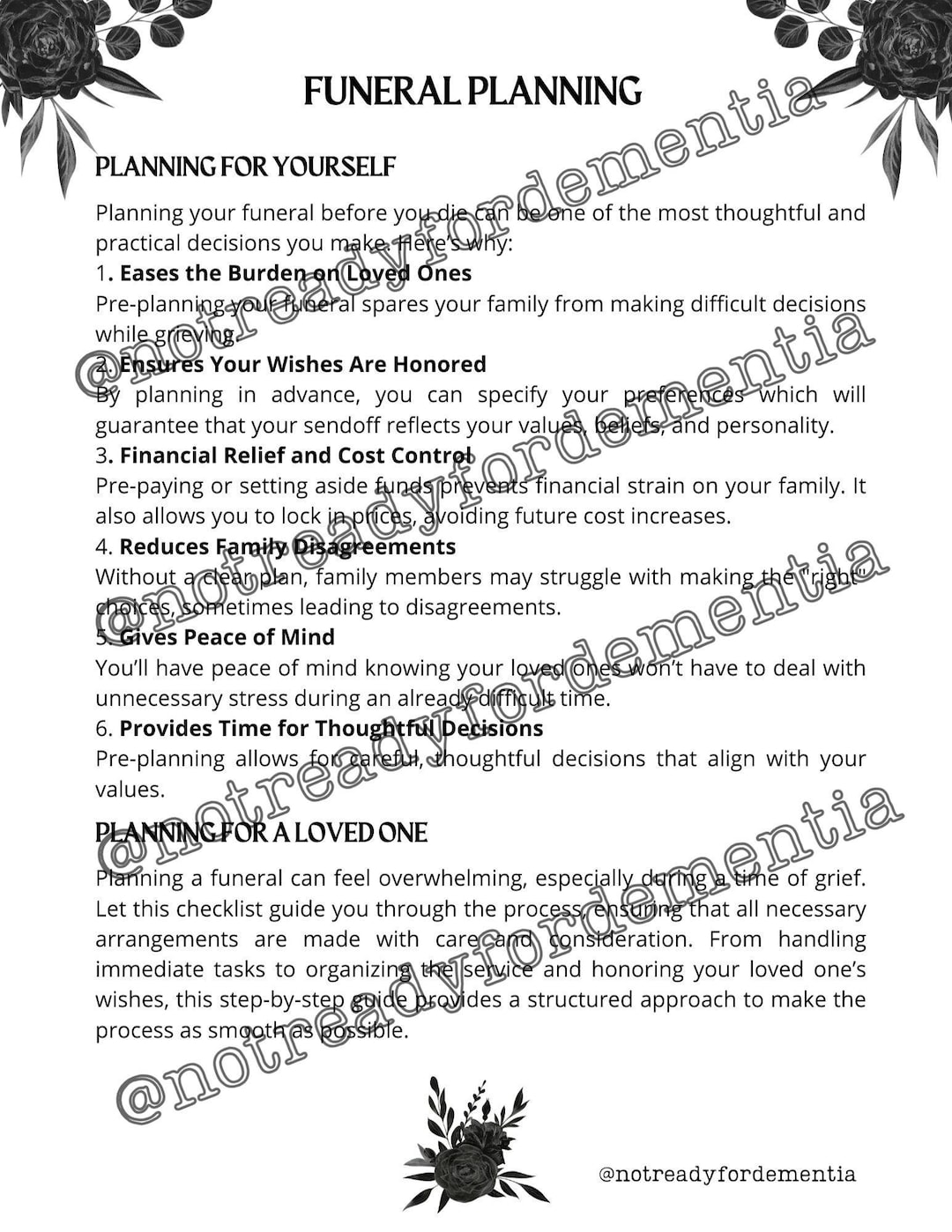
Comprehending expenses also involves recognizing the value of advance planning. Pre-planning a funeral allows individuals to make knowledgeable decisions based on their wishes and budget, ultimately lessening the burden on family members during a challenging time. Through discussing these choices and expenses openly, families can create a strategy that honors their loved one’s life while being considerate of their financial responsibilities.
Sentimental Factors in Funeral Planning
Traversing the psychological terrain of memorial arrangements can be one of the most arduous aspects of the process. Grief often influences decision-making, making it challenging to maintain clarity or prioritize what must to be done. It is essential to recognize these emotions while also keeping in mind the goal of the arrangements: to celebrate and remember the legacy of the loved one. Carving out time to reflect on their wishes and character can help create a significant service that offers comfort to mourners.
Family relationships may also play a major part during this time. Different members may have diverse ideas about how to memorialize the deceased, leading to possible conflicts. Transparent dialogue is vital. By discussing each person's thoughts and emotions, it can help in finding agreement, easing friction, and ensuring that all opinions are heard. This team-based approach not only bolsters relationships but also enables a more personalized service that aligns with shared recollections.
Finally, self-care is essential when involved with memorial arrangements. It is easy to become overwhelmed with the details and feelings tied to the loss. Giving oneself space to grieve, finding support from loved ones or experts, and carving out time for introspection can provide important relief. Keep in mind that taking care of your emotional well-being will ultimately improve your ability to create a tribute that honors your deceased while also being mindful of your personal needs.