

In the an world in which smiles hold an significant role in interactions and personal expression, this influence from missing teeth might be significant. Dental restoration, notably using implants, has come forth as a beacon of hope for many individuals seeking to restore both the grins but also their confidence and general level in existence. When we investigate this captivating realm surrounding implant dentistry as well as restoration, it becomes clear that such processes bring an host for advantages extending beyond mere appearance.
Starting with grasping the full method for the dental implant process and distinguishing among choices including implants and bridges, each aspect adds toward a wider comprehension regarding in which technological advancements and advancements in dentistry can be changing lifestyles. Regardless of whether you’re contemplating tooth implants to address a single tooth and complete mouth rehabilitation, knowing the expectations can empower yourself throughout your path for restoration and integrity.
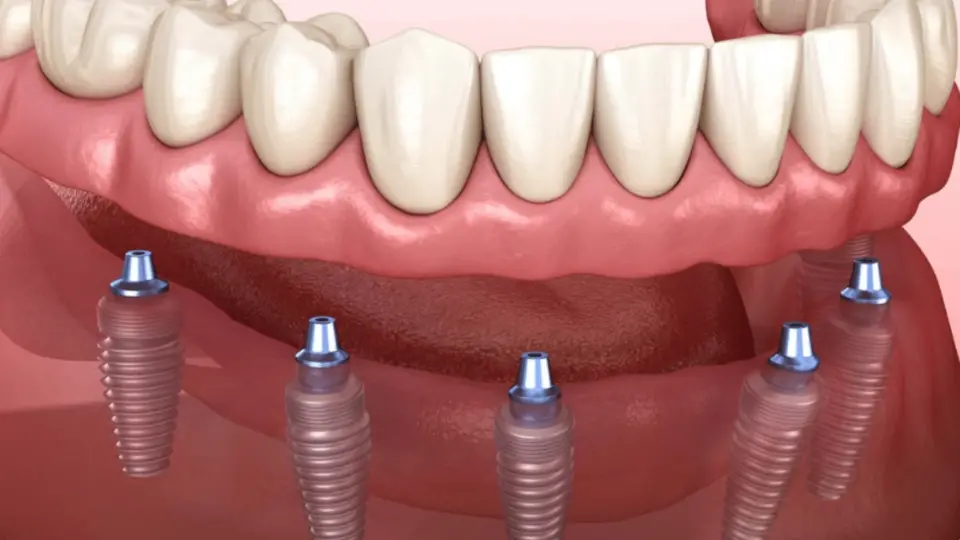
Comprehending Dental Implants along with Reconstruction
Implants are artificial tooth roots constructed of safe substances that are medically inserted into the jawbone to support substitute teeth or bridges. They are created to integrate in with your existing teeth, offering a long-lasting alternative for people who have lost teeth due to trauma, cavities, or other dental problems. The implant procedure has advanced significantly, turning into a reliable option for those seeking to restore their grins and boost their overall dental health.
Reconstruction involves the process of substituting absent teeth with either tooth crowns, bridges, or false teeth that are secured by implants. This procedure not only reinstates use to your oral cavity, enabling you to consume and communicate comfortably, but it also boosts the aesthetic appeal of your mouth. The wide variety of restoration options enables dental professionals to tailor procedures in line with specific needs, ensuring that individuals attain optimal results.
As innovations continues to develop, the area of dental implants and restoration has seen advancements in both procedures and materials. New solutions such as three-dimensional imaging aid in planning treatments, leading to more accurate placements and better success. Patients can anticipate a comprehensive meeting to assess their suitability for implants, examining factors such as cosmetic density and overall dental health, which are vital for the efficacy of the procedure.
Advantages and Considerations
Implants offer countless advantages that greatly enhance the functionality and appearance. One of the main advantages is their ability to provide a secure and long-lasting solution for absent teeth. In contrast to traditional dentures, which can shift and cause discomfort, implants are surgically embedded in the jawbone, allowing for a reliable fit that nearly mimics the natural tooth structure. This stability not only enhances chewing effectiveness but also helps maintain the integrity of the jawbone, avoiding bone loss that often happens after tooth loss.
Another key benefit of dental implants is the lift they provide to self-confidence and psychological well-being. Many individuals who have been without teeth experience embarrassment or insecurity, which can lead to social withdrawal. By re-establishing a complete and natural-looking smile, dental implants can greatly improve one’s self-esteem and encourage social interaction. Furthermore, the aesthetic look of implant-supported crowns can be customized to fit seamlessly with existing teeth, ensuring a harmonious smile.
While the benefits are considerable, there are key factors to keep in mind before opting for dental implants. Potential patients must be assessed for their oral health, bone density, and overall health to check suitability for the procedure. Moreover, the cost of dental implants can be higher than other restoration options, and patients should be prepared for the investment. It’s also essential to comprehend the healing process following surgery and to follow post-operative care instructions to ensure long-term success.
This Process and Recovery Procedure
The dental implant process typically begins with a detailed consultation, during which your dentist will review your oral health and decide if you are a suitable candidate for the process. This visit may involve X-rays or three-dimensional imaging to assess the bone structure and prepare for the implant placement. If necessary, preparatory treatments such as bone grafting may be administered to ensure there is sufficient bone to support the implant. Once the planning is done, the implant placement surgery can be scheduled.
During the surgery, the dentist will fit a titanium post into the jawbone, which acts as the root for the replacement tooth. After the implant is secured, a healing period of several months is usually needed for osseointegration, where the bone grows around the implant and supports it. Depending on the case, temporary restorations may be applied to maintain aesthetics during healing. Fixed Dental team and staff -surgery, you can expect some swelling and discomfort, which can be controlled with prescribed pain medication.
After the recovery from the initial surgery, the next step involves fitting the abutment and last restoration. Your dentist will connect a custom-made crown, bridge, or denture to the abutment, finishing the process. Regular follow-up appointments will be set to check proper healing and integration of the implant. It is crucial to follow aftercare instructions, including good oral hygiene practices and regular dental visits, to promote long-term success and longevity of your dental restoration.