

Supervised visitation serves as a vital bridge for families dealing through the challenging issues of custody arrangements. For many parents and children, the separation can lead to stress, leading to feelings of dubiousness and loss. This arrangement provides a structured form of interaction that prioritizes the child's safety while allowing parents to sustain a relationship. Through carefully monitored visits, families can work toward rebuild relationships in a controlled environment that fosters confidence and stability.
Understanding the details of supervised visitation is crucial for both parents and children. This system not only secures the well-being of the child but also lays the foundation for possible reunification in the long run. With defined guidelines and expert support, parents and children can turn what may seem like a intimidating experience into meaningful chances for bonding. As we examine the different aspects of supervised visitation, it is crucial to acknowledge its importance in promoting child well-being, supporting parent-child relationships, and creating a path toward recovery and bonding.
Comprehending Regulated Access
Monitored access is a method created to allow secure engagements among a non-custodial parent and their young one in the presence of the observation of a certified observer. Such an arrangement is often enforced if there are concerns about the offspring's well-being, the guardian's conduct, or the dynamics of the bond. The objective is to ensure a nurturing atmosphere in which the child can keep a relationship with both caregivers while limiting dangers.
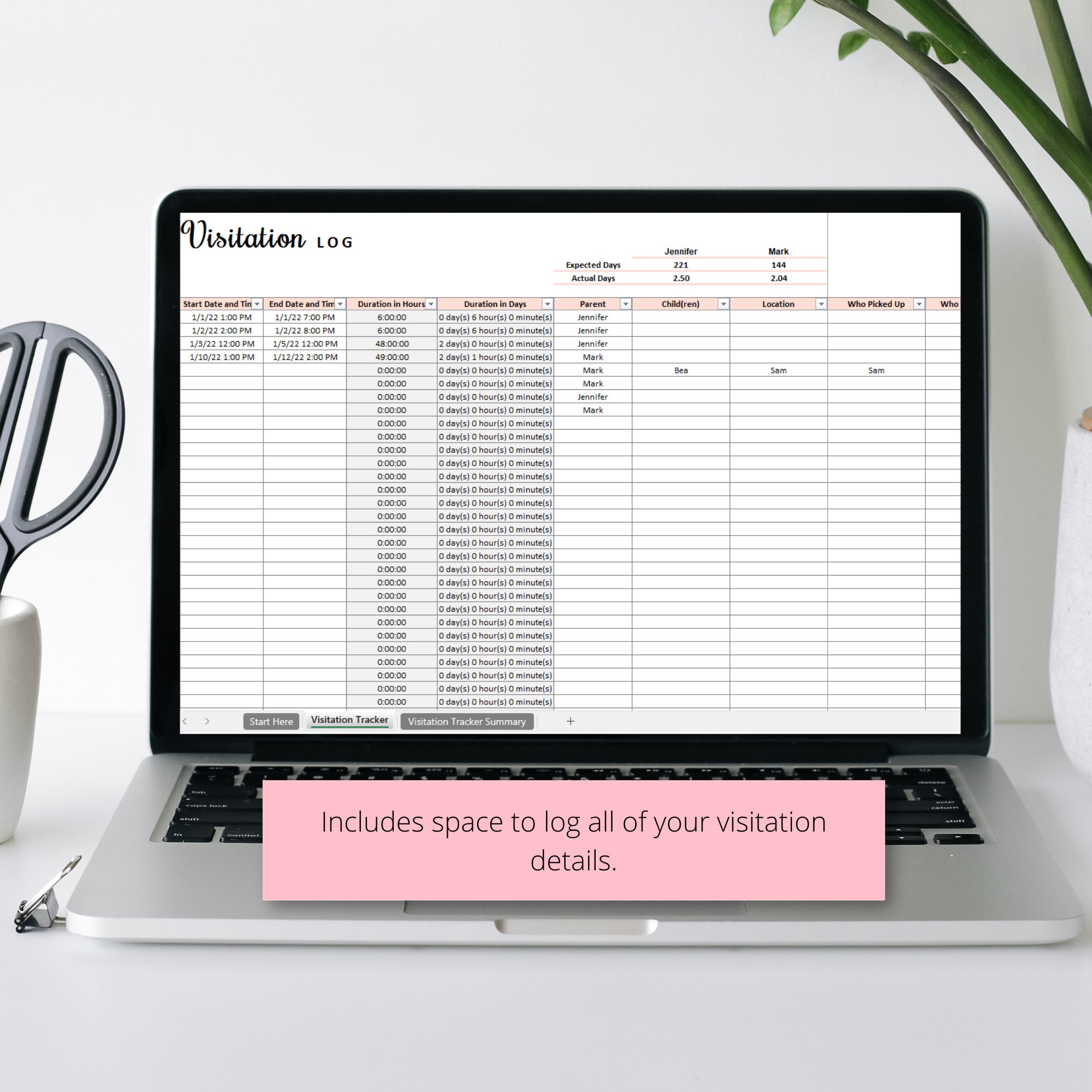
In numerous instances, supervised visitation is ordered by a legal decree, typically after an assessment of the circumstance surrounding parenting arrangements. Aspects such as a record of abuse, abandonment, drug dependency, or mental instability can cause the establishment of these monitored meetings. By ensuring that visits are monitored, the court endeavors to ensure the young one's safety while providing the possibility for the parent-child bond to develop under suitable circumstances.
Regulated access can take place in various locations, such as visitation hubs, family residences, or shared locations. The role of a supervision observer holds a vital part in the method, providing guidance, aid, and watch during the meetings. This structured approach not only assists maintain the young one's safety but also encourages a supportive setting where beneficial memories and interactions can be built, establishing the groundwork for potential subsequent reconnection.
Getting Ready for Supervised Visits
Organizing for monitored visits involves understanding the guidelines and requirements that come with them. Parents should allocate time to get accustomed with the rules set forth by the legal authority or the supervision facility. Knowing what is allowed and what is not helps to facilitate a smoother experience for both the guardian and the child. Furthermore, addressing any worries or inquiries with the supervision provider beforehand can lead to improved dialogue and alleviate stress for all parties.
It's also crucial to plan activities that are age-appropriate and fun for the kid. Taking toys or activities tailored to the child's interests help ease any stress. Participating in fun activities during the meeting not only creates the time more fun but also helps foster a healthy connection between the caregiver and child. Furthermore, guardians should show understanding and stay adaptable, as visits can sometimes take unexpected directions.
Finally, parents should focus on establishing a friendly environment. Click to find out more can include discussing to kids about what to look forward to during the appointment, reassuring them that it is a secure environment, and emphasizing that the time spent together is important. Ensuring that kids feel at ease and stable can make a significant difference in how they perceive the visits. Implementing these strategies can help establish a basis for positive interactions and progress during supervised visitation appointments.
Navigating Emotions and Anticipations
Navigating supervised visitation can be an emotionally charged journey for both sets of parents and children. It is important for parents to recognize their feelings of nervousness, sadness, or even anger, as these emotions are natural when dealing with custody issues. Realizing that these visits are intended to foster a secure environment for children can help shift the focus from personal feelings to the well-being of the child. Fostering a mindset of compassion can lead to a more favorable experience for everyone involved.
Parents should also create realistic expectations for the visits. Supervised https://rentry.co/hqt5899u is not just merely the time spent together; it is about rebuilding trust and maintaining a secure space for the child. Acknowledging that the relationship may require time to strengthen can reduce pressure and allow parents to enjoy the moments shared with their child, even if they may appear minor. Practicing patience with the process and acknowledging small milestones can foster a healthier emotional environment.
Finally, effective communication during these visits is vital. Parents should make use of this time to engage positively with their children, showing love and support while remaining aware of their emotional state. Communicating openly about emotions and experiences, while upholding a polite demeanor, ensures children feel secure. Furthermore, discussing concerns with the supervised visitation monitor can provide additional support and guidance, helping that both parents and children are working toward a constructive and emotionally fulfilling visitation experience.