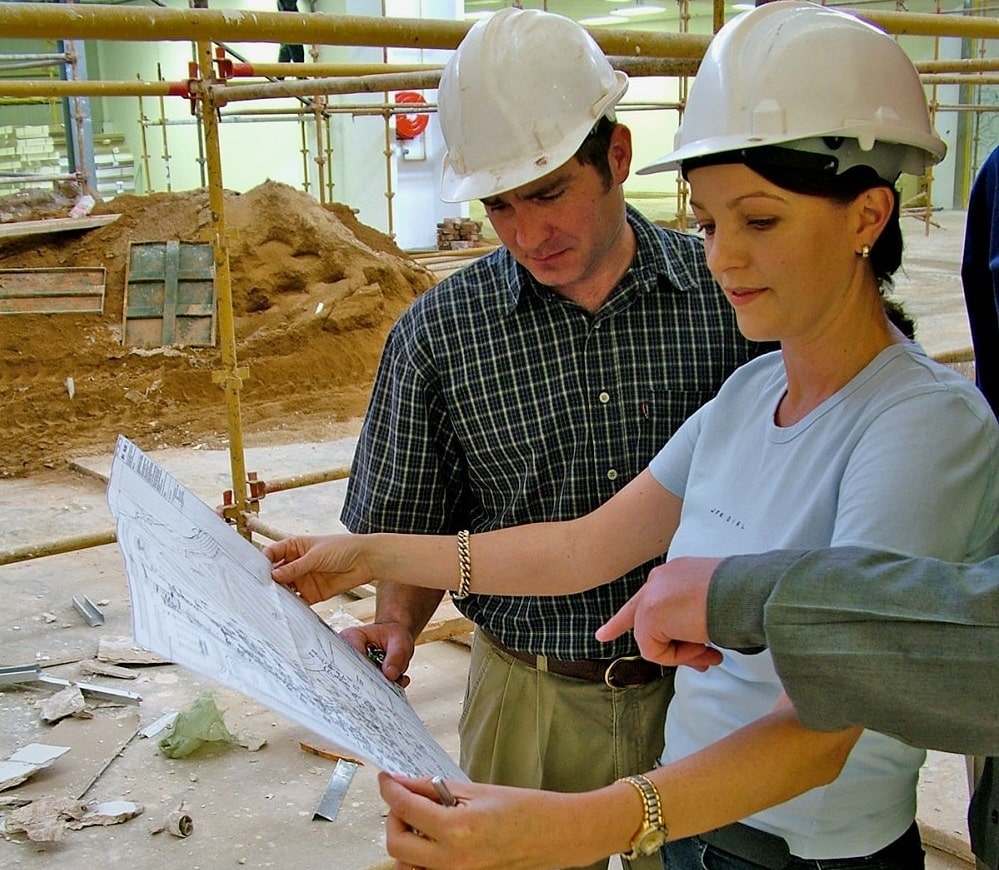
When it comes to renovating your home and embarking on a new construction project, one of the most vital choices you'll make is picking the appropriate general contractor. These professionals serve as the backbone of any construction project, coordinating everything from the initial design to final touches. Understanding what a general contractor does can be the crucial factor to unlocking the success of your project, ensuring not only that it meets your goals but also remains on financial plan and on track.
In this article, we will investigate the varied role of general contractors and present you with a thorough guide to navigating the selection process. With https://posteezy.com/unrecognized-saviors-building-celebrating-primary-builders into the crucial questions to ask prior to hiring, the variations between general and subcontractors, and the top qualities of a good contractor, you'll be ready to make wise decisions. Whether you are considering a small residential remodel or a large commercial development, the knowledge of a general contractor can be invaluable in realizing your project to life effectively and competently.
Understanding the Function of Project Managers
Main contractors play a pivotal role in the building industries, acting as the main point of contact for every parties involved in a project. They oversee the entire construction process, coordinating between homeowners, trade contractors, vendors, and other professionals such as designers and consultants. This integrated approach makes sure that projects are completed efficiently, within budget, and to the necessary standards. Their skills allows them to manage programs, budgets, and the multitude of details that accompany any building endeavor.
One of the main responsibilities of a main contractor is overseeing projects. This includes not only strategizing and timing but also hiring and supervising subcontractors. General contractors ensure that the work is done to regulations and meets the safety standards necessary for successful completion. They are also equipped to address local building regulations and process the approval process, which can often be a significant hurdle for clients undertaking a remodel.
Furthermore, project managers provide important insights into the building process, guiding clients on decisions related to resources, design, and timelines. By leveraging their experience, they help avoid common pitfalls and financial mistakes, making them critical allies for anyone looking to begin a construction project. Their ability to facilitate clear communication with everyone involved ensures that all participants is in agreement with the project's goals and requirements.
An Key Inquiries About Employing
As you employing a wide-ranging builder, it is important to pose the right queries to confirm you are arriving at an informed choice. Commence by inquiring about their background and previous undertakings. Comprehending the range of their previous projects can provide you perspective into their skills and whether they are qualified to address your specific remodeling requests. Furthermore, ask for references from past customers to get firsthand comments on their work ethic and trustworthiness.
Another important factor to explore is the contractor's approach to assignment management. Inquire how they approach scheduling, financial planning, and communication with clients throughout the remodeling process. Strong project management expertise are vital for maintaining the assignment on course and making sure that it operates smoothly. It is also wise to talk about how they coordinate subcontractors, as their capability in synchronizing various teams can considerably influence the overall result of your remodeling effort.
Finally, do not ignore the value of talking about agreement terms and financial structures. Specify the compensation schedule and the inclusions in the agreement to avoid any unexpected charges later on. Knowing how the contractor handles licenses and regulations is also critical, as compliance is pivotal for the project's legality and security. By covering these essential questions, you can more effectively assess whether a general contractor is the appropriate choice for your reconstruction undertaking.
Managing the General Contractor-Subcontractor Relationship
The link between contractors and subcontractors is essential for the smooth completion of a project project. General contractors oversee the entire operation, managing budgets, schedules, and dialogue with the client, while subcontractors are hired for their specific skills in areas such as pipes, electrical installations, or roof installation. This task differentiation facilitates projects to move forward more effectively, as the general contractor can concentrate on overall project management while subcontractors handle particular tasks that require specialized knowledge.
Strong communication is key to a fruitful contractor and subcontractor relationship. General contractors must clearly articulate project expectations, timelines, and standards of quality to subcontractors. Regular meetings and meetings help ensure that everyone involved are aligned and that any concerns are tackled promptly. When the specialists feel supported and aware, the likelihood of successful conclusions increases considerably.
In conclusion, trust plays a pivotal role in this relationship. Contractors need to evaluate the specialists thoroughly, checking credentials, recommendations, and historical performance to ensure they are capable of delivering high-quality work. The specialists, in turn, should have trust in the general contractor’s ability to supervise the project and advocate for them when required. Visit website shared trust fosters a productive setting where everyone strives toward the common goal of completing a timely & punctual project.