

Creating a personal home cinema can be an exciting adventure which transforms your viewing time into a truly extraordinary. Whether you're a film aficionado, a sports fan, or a gaming enthusiast, a carefully crafted home cinema brings the magic of the theatre into the home. However, the process of installation may feel daunting, notably with so many choices and technical aspects to take into account. This manual takes you through the entire process of the home cinema installation procedure, making sure you understand what lies ahead, whether you choose to tackle the project independently or hire a contractor.
From selecting the ideal screen and projector to optimizing audio and lighting, every choice can significantly impact your home cinema experience. Even though the allure of DIY installations can be tempting, there are strong reasons to consider expert assistance. This guide will cover essential tips, common challenges to avoid, and trends to keep an eye on, all designed to make your home cinema vision a reality. Let’s dive into the world of home cinema installation and explore how to create a viewing environment that you and love for years to come.
Grasping Home Theatre Installation
Home cinema installation is a comprehensive process that converts a typical room into an captivating audio-visual experience. It involves choosing the ideal components such as video projectors, projection screens, speakers, and seating to create a tailored setup that enhances cinematic experiences, video gaming, and watching sports. Comprehending the essentials of home cinema installation makes sure that you make informed choices, resulting in a configuration that meets your individual needs and desires.
Deciding between a do-it-yourself approach or hiring a certified installer can greatly determine the result of your home cinema endeavor. While a DIY installation may cut costs, it can lead to potential mistakes and setbacks if you are not knowledgeable with audio-visual technology and design principles. On the other hand, professional installers bring knowledge and proficiency, often leading to superior results and a less complicated installation process. Knowing what to look for during installation can help you make the right decision for your situation.
Additionally, it is crucial to take into account the room's layout and configuration before jumping into installation. Elements such as light sources, room size, and noise control all play key roles in the overall quality of your home cinema experience. By recognizing these factors, you can create a usable and aesthetically pleasing environment that enhances your enjoyment of movies and gaming.
Designing Your Home Cinema Space
When planning your domestic movie theater space, the first action is to pick the right place. Ideally, your movie theater should be placed in a quiet part of the dwelling where ambient sounds can be minimized. Ponder the area's layout and scale; a long space often operates optimally as it can fit effective seating arrangements and sound dispersion. Additionally, guarantee that the space can be completely obscured for an immersive viewing setting.
Next, reflect about acoustics and illumination. Textiles, floor coverings, and soundproofing materials can help muffle sound and reduce echo, which is important for obtaining a premium sound experience. Illumination plays a significant role as in addition; combine overall illumination with dimmable settings or automated lighting systems to create a customizable atmosphere, improving both watching and ambient well-being.
At last, consider your seating arrangements and proximity to the display. The best distance from the screen should be based on its size; a common guideline is to sit at about one and a half times the diagonal screen size for televisions and a bit nearer for projectors. Make https://www.homecinemashertfordshire.co.uk/best-home-cinema-installation-hertfordshire/ that the seats is comfortable and offers good sightlines to the screen. By thoughtfully planning your domestic movie theater space, you set the stage for a truly pleasant cinema event.
Execution and Best Practices
Once the preparation phase is complete, it's moment to begin the installation process. Start by ensuring that all devices is in position, and verify the compatibility between the equipment you have selected. This includes checking that the projector, projection surface, and audio equipment work seamlessly in unison. Proper positioning is critical; make sure the visual device is at the optimal distance for screen size, and that speakers are properly placed for optimal sound distribution. It's also wise to have all cables neatly arranged and hidden where possible to achieve a clean look and prevent accidents.
As you move forward, take particular care with the audio setup. Multichannel audio placement can significantly affect the theater experience, so be aware of audio device angles and elevations. Using an audio calibration tool can help achieve the optimal sound quality for your space, guaranteeing that you get the most immersive experience possible. Moreover, consider the lighting; dimmers or intelligent lighting can greatly enhance the atmosphere of your home cinema. Remember that light control not only affects viewing clarity but also affects the color fidelity and overall experience.
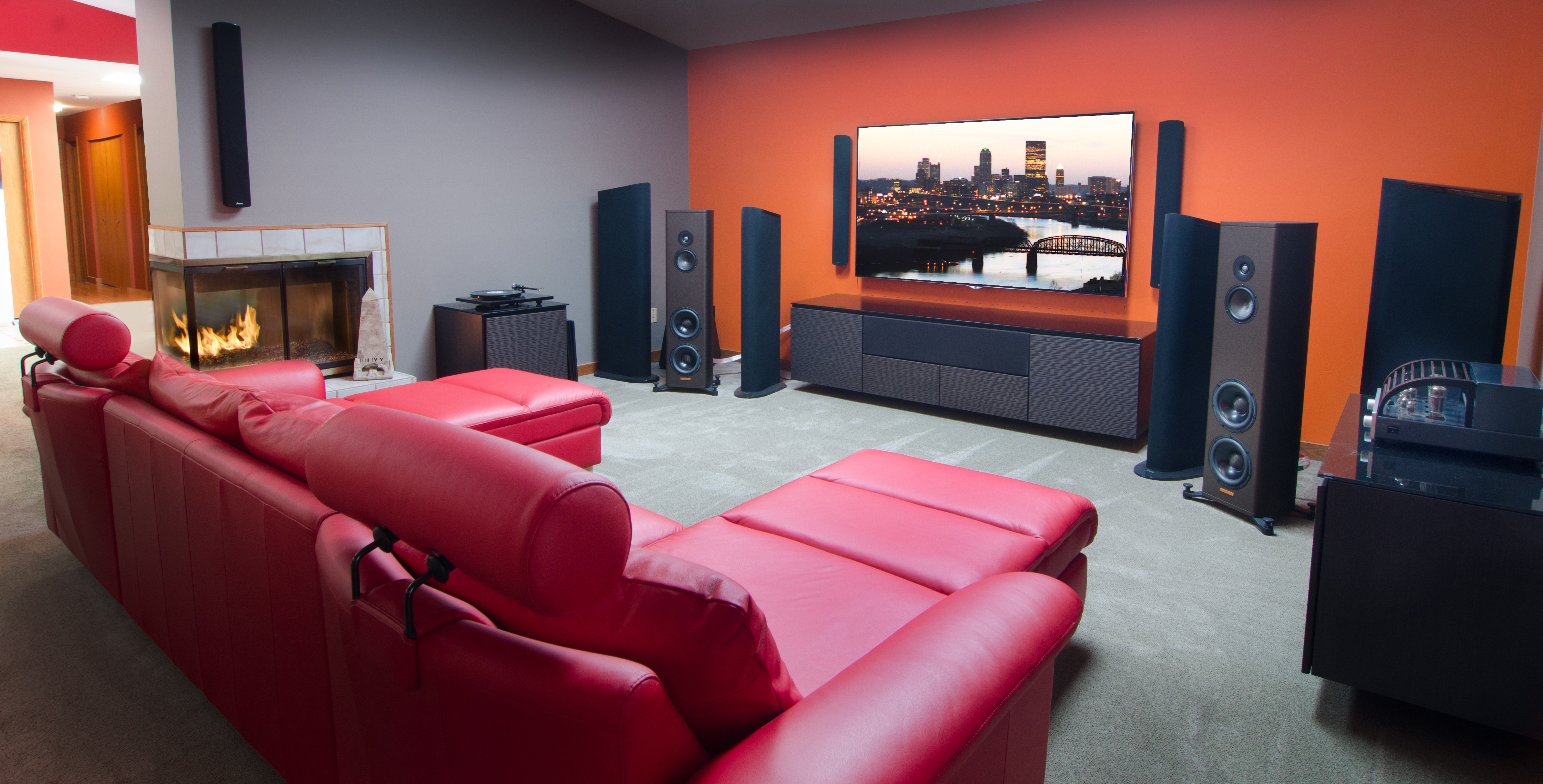
Finally, future-proofing your home cinema installation is crucial for durability. This can involve integrating home automation features or planning for upgrades in tech advancements. Stay organized and monitor any guarantees or maintenance logs to ease future maintenance. Consistent updates and upgrades can improve your cinema satisfaction, making it up-to-date as advancements evolves. Emphasizing security and proper electrical setups will protect your investment and enhance the enjoyment of your theater for years to come.