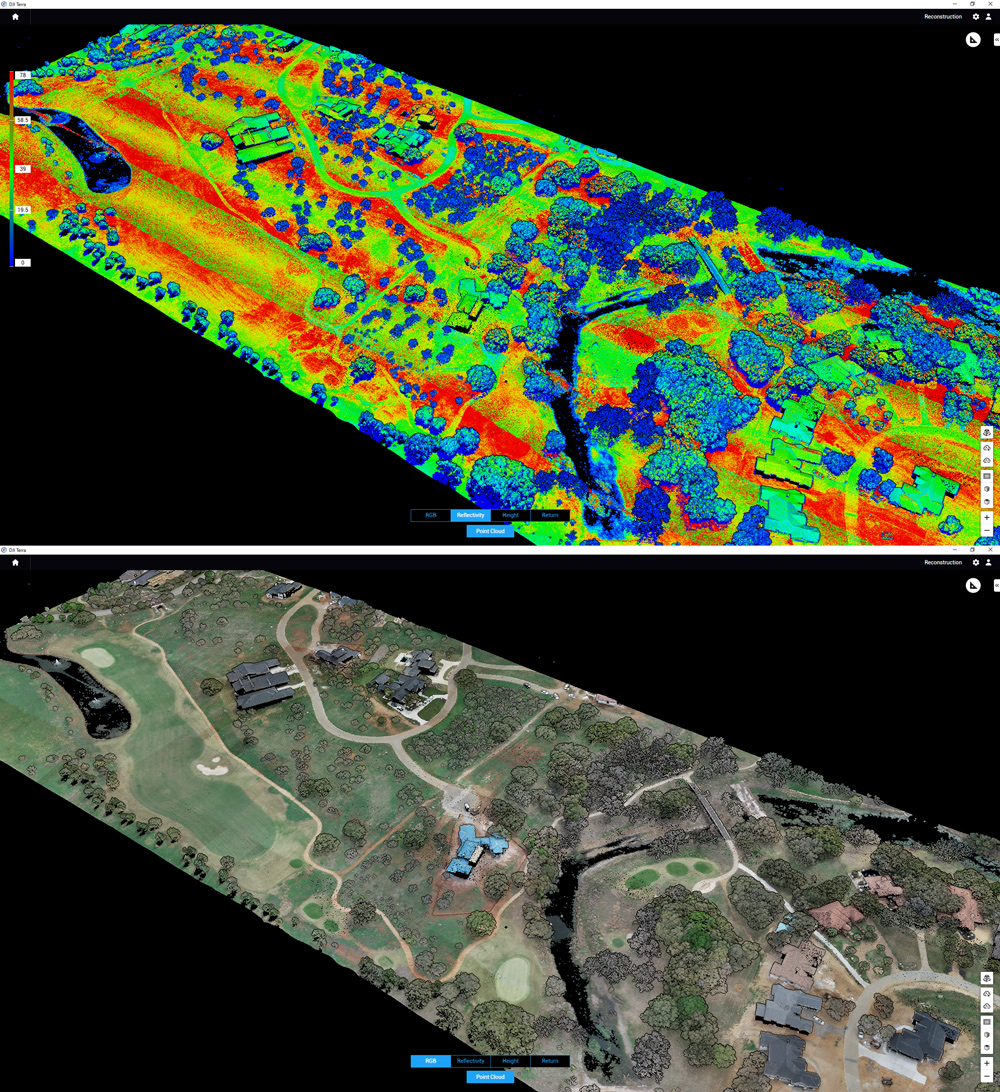
In recent years, UAV surveys have emerged as a revolutionary approach changing multiple industries. From construction to agriculture, the perks of utilizing UAV technology for surveying projects are extensive and attractive. As aerial capabilities continue to evolve, professionals are uncovering the revolutionary possibilities of drones in boosting effectiveness, reliability, and safety.
This article investigates the variety of advantages of drone surveys, looking at how they contrast to conventional surveying techniques and the distinct prospects they offer for different uses. Whether you are working on land management, environmental monitoring, or infrastructure evaluations, comprehending the role of drone surveys is vital for keeping up in an progressively cutthroat landscape. Come along as we discuss thirty reasons why you should contemplate drone surveys for your following project.
Benefits of Drone Surveys
Drones used for surveying offer several important advantages compared to traditional surveying methods. One major advantage is quickness; drones can cover large areas quickly, resulting in faster data collection and timely project delivery. This effectiveness is especially beneficial in projects with tight deadlines, since delays can lead to increased costs. Additionally, drones can effortlessly access hard-to-reach or hazardous locations, reducing the dangers associated with manual surveying.
Additionally, is the great accuracy that modern drone surveys provide. Fitted with advanced Setting Out Engineering Oxford Oxfordshire and imaging technology, drones can take accurate readings and high-resolution images that contribute to more reliable data. This precision is essential for multiple applications, including topographical mapping, infrastructure inspections, and monitoring the environment, facilitating informed decision-making throughout the project lifecycle.
Affordability is also a remarkable advantage of using drone surveys. By minimizing the need for extensive manpower and minimizing the time required for data collection, drones can lead to significant savings. Furthermore, the capability of collecting data from multiple angles and vantage points improves the overall comprehension of a project site, which enables improved planning and execution avoiding the costs associated with traditional surveying.
Comparing Drone Surveying against Conventional Methods
Drone surveys are changing the manner data is collected along with assessed in various industries, providing unique advantages compared to traditional methods. One key the primary advantages is the speed at which UAVs can function. While traditional surveying typically demand extensive manpower along with time-consuming setups, UAVs can traverse large spaces quickly, capturing high-resolution images and data in a fraction of the duration. This effectiveness not just speeds up project timelines but also allows for quicker decision-making founded on real-time information.
A further significant distinction lies in the level of detail along with accuracy that contemporary UAV surveying can achieve. Fitted with leading-edge sensors and cameras, drones can collect data from multiple angles and altitudes, creating highly accurate and detailed maps. Traditional methods often depend on ground-based measurements, that can be limited by ease of access along with may not provide the comparable comprehensive view. Drones improve accuracy through technologies like 3D modeling, which creates 3D models along with topographical maps, offering understandings that are sometimes impossible to achieve with conventional techniques.
Cost-effectiveness is a crucial factor that sets UAV surveying apart traditional methods. Using drones can considerably reduce workforce costs associated with large surveying teams and the tools typically needed for ground surveys. Furthermore, drones minimize site disturbances while can operate in hazardous environments without putting personnel at risk, resulting in safer project implementation in general. As more sectors become aware of these benefits, the acceptance of UAV surveying is on the rise, positioning them as a favored choice in multiple applications.
Sector Implementations and Next Developments
Drone surveys are swiftly becoming an integral resource across different sectors, changing how projects are executed. In infrastructure, for instance, UAVs allow instant monitoring and recording of location progress, leading to better task oversight and interaction among stakeholders. The improved correctness and efficiency of UAV surveys greatly cut setbacks and costs while boosting protection standards on-site. Additionally, sectors like agriculture benefit from remote surveys for crop surveillance and management, enabling precision crop production practices that maximize production and decrease loss.
In the future, the prospects of drone surveying technology is promising, with advancements in AI and machine learning shaping how data is processed and examined. As UAVs become more sophisticated, they are expected to deliver greater precision standards and seamlessly merge alongside current software and resources, including CAD systems. This movement will improve workflows and optimize processes in land development, nature oversight, and building assessments, presenting immense possibilities for growth and innovation.
Moreover, the regulatory environment for UAV operations is changing, with guidelines modifying to allow for the expanding use of UAVs in various contexts. As adherence becomes more consistently applied, businesses will find it easier to implement drone surveys without facing difficult legislative obstacles. The continuous progress in drone tools, coupled with rising field adoption, positions drone surveying as a key element of future task planning and implementation across various domains.