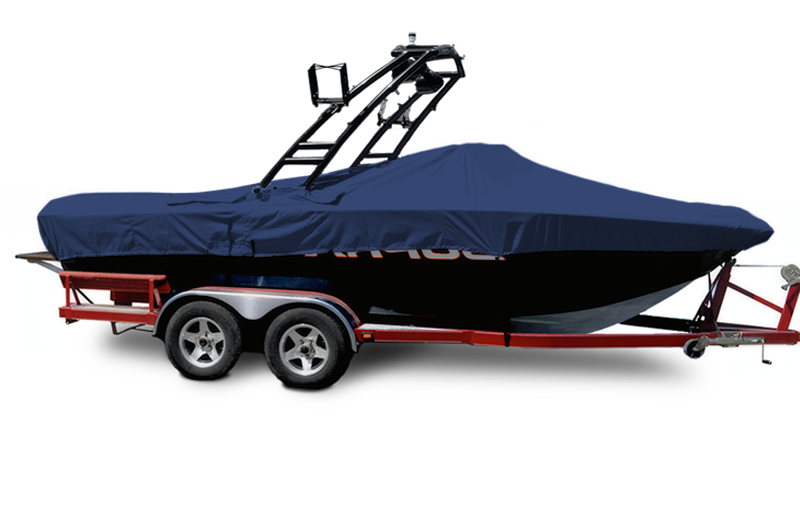
In terms of protecting your investment, a good boat cover is an essential accessory that can help you save time, money, and worry. Whether you're dealing with intense UV rays, rain, snow, or the marine corrosion that comes with being on the coast, having the suitable cover is crucial. Choosing the perfect boat cover might feel daunting with so many options out there. Visit this website aims to ease the decision-making process and help you find the ideal protection for your boat.
From comprehending the differences between custom and universal covers to exploring the highest quality materials that offer waterproof and UV protection, this article will give you all the insight you need. We'll examine crucial topics like measuring your boat for the proper fit, common mistakes to avoid while buying, and how to maintain your cover for extended use. By the end, you'll be fully prepared to ensure your vessel remains in top condition, regardless of the season.
Selecting a Ideal Boat Cover
Selecting the right boat cover is essential for making sure that your vessel remains safe from the elements. With Boat Cover Lancaster Lancashire , it can be overwhelming to determine which cover best suits your situation. The primary step is to evaluate the type of boat you have, as covers vary significantly based on design and size. It's necessary to note if your boat is a transportable model or a larger boat that requires a more robust cover for extended storage.
Then, you should think about the particular weather conditions in your region. If you live in a region that encounters heavy rain, snow, or intense sunlight, investing in a more long-lasting and water-resistant cover is essential. Look for materials that provide UV protection to prevent fading and deterioration. Additionally, breathable fabrics can help reduce moisture buildup, which is essential for stopping mold and mildew growth.
Finally, when deciding on a boat cover, consider whether you want a custom fit or a universal cover. Custom boat covers may offer the best protection and fit since they are designed to your boat’s shape. However, universal covers provide a more budget-friendly option. Consider the pros and cons of each to find the perfect balance between safety, ease, and cost for your unique needs.
Tailored vs Universal Boat Covers
When it comes to deciding on a boat cover, a crucial decision is between custom and standard options. Tailored boat covers are tailor-made to fit specific boat models and sizes, ensuring a snug fit that provides optimal protection against the elements. These covers are designed with precise measurements and shapes of your boat in mind, which reduces the risk of water pooling and maximizes durability. However, this degree of customization often comes at a greater price point and can be delayed to receive.
On the other hand, universal boat covers are typically available and come in a selection of sizes to fit multiple boat types. They can be an appealing option for boat owners looking for a budget-friendly solution. While generalized covers may not provide the same perfect fit as tailored ones, many are designed with modifiable features to help secure them better. This flexibility can be beneficial for those who own multiple boats or are unsure of future purchases, as one cover might accommodate several different vessels.
Ultimately, the choice between tailored and generalized boat covers depends on individual needs and priorities. If you are looking for the best protection tailored to your boat's specifications and are willing to invest in quality, a custom cover is a considered choice. Conversely, for those seeking a cost-effective and versatile option, universal covers can provide adequate protection, especially for short-term use or periodic storage.
Care and Maintenance for Your Boat Cover
Caring for your vessel cover is crucial to ensure its longevity and effectiveness in safeguarding your boat. Regular inspections are important to spot any signs of damage, such as fraying seams or small tears. If you notice any deterioration, immediate repairs can avert larger issues down the road. Always store your cover in a tidy, dry place to avoid mold and mildew growth, particularly after use in wet conditions.
Cleaning your vessel cover should be done regularly, depending on the conditions in which you operate your boat. A mild soap solution, along with a gentle brush, can assist remove dirt and grime while not damaging the fabric. For stubborn stains or mildew, specialized marine cleaners may be needed. After washing, rinse well to ensure no soap residue is left behind, as this can degrade the material over the years.
When it comes to keeping your vessel cover, it's recommended to fold it tidily to avoid wrinkles and keep it in a breathable container or container. Avoid putting heavy items on top of the cover, as this can cause permanent creases or harm the fabric. Additionally, consider the surrounding conditions where the cover is stored; humidity and harsh temperatures can impact the cover's longevity, so a climate-controlled area is ideal whenever possible.