

Tending to a green space is not just a casual weekend activity; it is an art form that necessitates knowledge, dedication, and a sharp eye for nuance. As each time of year comes, various tasks must be completed to ensure your garden flourishes and endures. From Garden Maintenance Selby North Yorkshire of spring, with its promises of new flowers, to the thoughtful preparations in winter safeguarding your plants from cold damage, mastering garden maintenance can change your yard into a rich sanctuary.
No matter if you’re a seasoned horticulturist or a busy property owner looking to boost your property value, discovering key guidelines for each season can make a world of difference. This guide will prepare you with actionable strategies and knowledge to overcome common challenges, maintain soil health, manage pests, and even create a low-maintenance garden design. Join us as we explore the many aspects of garden maintenance, ensuring your landscape remains vibrant and thriving throughout the year.
Seasonal Care Basics
Tending to a garden demands care throughout the year, with particular tasks appropriate to each time of year. In spring, a clean slate is important; concentrate on cleaning up any debris from the cold season, checking soil quality, and setting up beds for flowers for growth. This is the period to prune dormant plants, promote robust growth, and apply a layer of bark to preserve moisture and prevent invasive species from taking over. Following a spring landscaping maintenance to-do list secures that you lay a solid base for the blooming season to follow.
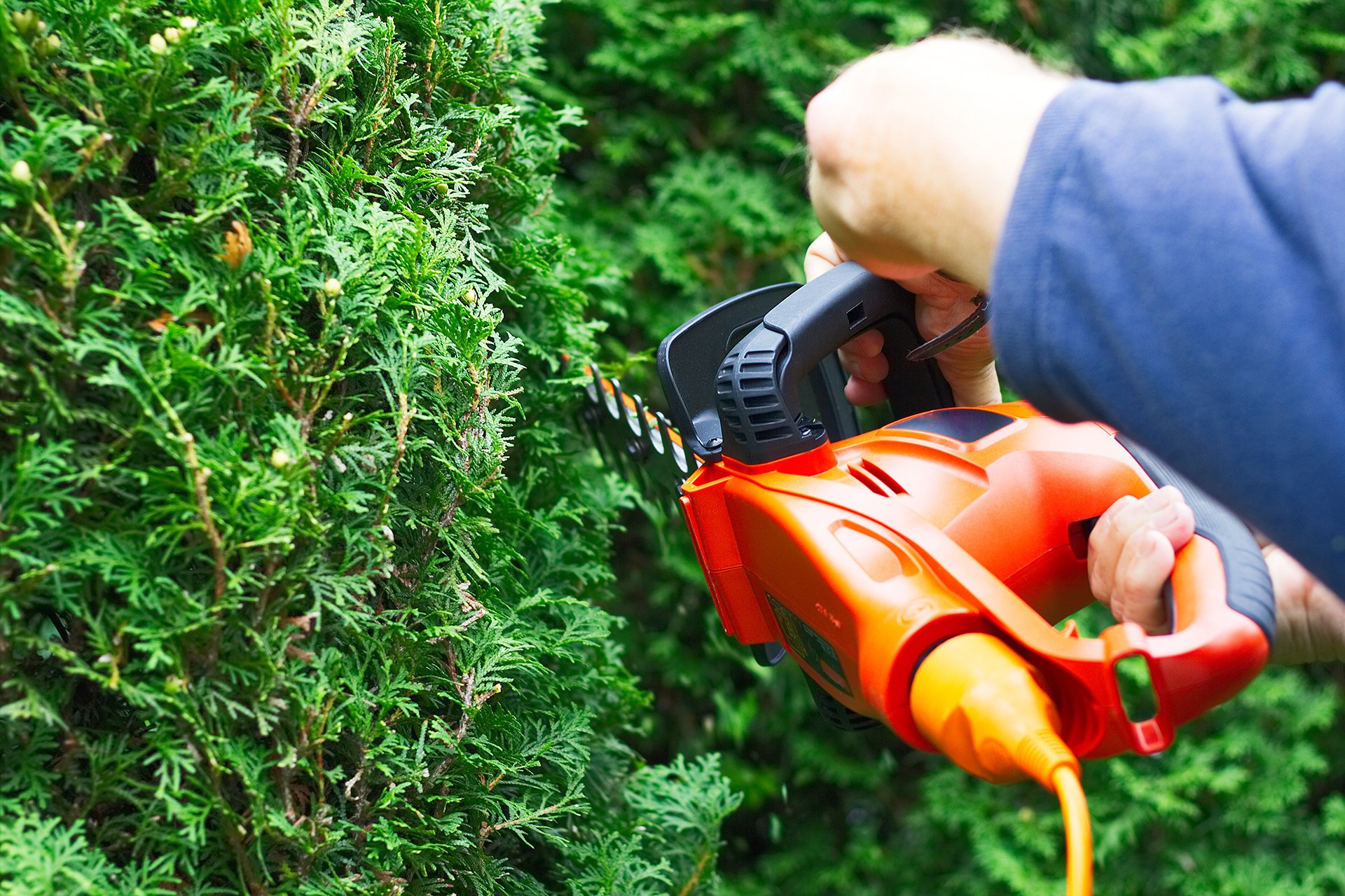
As the summer sunshine kicks in, keeping plants vibrant becomes a top concern. Regular hydration is essential, especially during dry spells, while monitoring for bugs is necessary to prevent infestations. The summer garden maintenance entails trimming dead blooms to promote ongoing blossoms and ensuring that your watering setup is functional. This is also the season to tend to your lawn, ensuring it looks lush and green throughout the season. Tackle summer garden activities like pruning hedges to keep the garden well-maintained and easy to care for.
When fall arrives, it's the moment to prepare your garden for the forthcoming wintry season. Key tasks consist of cutting back ongoing plants, clearing decaying foliage, and applying soil amendments to enhance the ground. Autumn garden maintenance ensures that your green space is equipped to endure the colder times while also laying the groundwork for a colorful revival in the upcoming spring. Tasks like adding mulch can shield plant roots from frost, while last cutting sessions maintain structure and well-being in sleeping plants. Embracing these season-specific requirements will keep your yard flourishing all year long.
Trimming and Soil Health
Trimming is an crucial practice in garden care that not only modifies the plants but also significantly contributes to soil health. By removing dead, damaged, or diseased branches, you allow better light penetration and air circulation, which supports healthy growth. This revitalization process helps the plant concentrate energy on new growth instead of maintaining unproductive areas. Healthier plants lead to improved soil health, as their roots can flourish, increasing organic matter and nutrient uptake in the adjacent soil.
Healthy soil is the foundation of an effective gardening plan. As plants develop optimally, their root systems enhance soil structure, promoting improved drainage and aeration. When combined with regular pruning, the cycle of plant health and soil vitality becomes reciprocally beneficial. For gardeners, grasping this relationship is essential, as it emphasizes the need for routine assessments and adjustments throughout the seasons to sustain balance in the garden environment.
Moreover, nurturing soil supports helpful microbes and earthworms, which also aid in nutrient cycling and soil fertility. By adding organic matter through compost and mulch during trimming periods, you not only enhance the soil but also provide a habitat for these organisms. This comprehensive approach to pruning and maintaining soil health can lead to a flourishing garden that not only survives but blooms year-round.
Efficient Garden Care Techniques
To effectively supervise your gardening space, it's important to create a schedule that balances maintenance tasks with the natural development cycles of your flora. Commence by creating a periodic checklist that aligns with the blooming and cultivation patterns relevant to your landscape. This careful organization makes sure that critical tasks such as pruning, fertilizing, and pest control are performed at the best time, promoting strong plant growth and reducing the likelihood of oversight.
Using the right tools can substantially improve your garden oversight plan. Invest in a high-quality collection of garden tools, ensuring that they are in good condition to work effectively. From clippers to rakes and hoes, each tool plays a vital role in your periodic upkeep tasks. With the right equipment at hand, you can address weed control, trimming, and soil preparation more efficiently, saving hours and effort in the long run.
Finally, consider including eco-friendly methods into your garden management strategy. Methods such as organic pest control and proper mulching not only benefit the environment but also lead to more robust gardens with fewer maintenance required. By fostering soil health through composting and using efficient watering methods, you can establish a strong garden that thrives with fewer management, letting you to enjoy its beauty without the stress of continuous maintenance.